
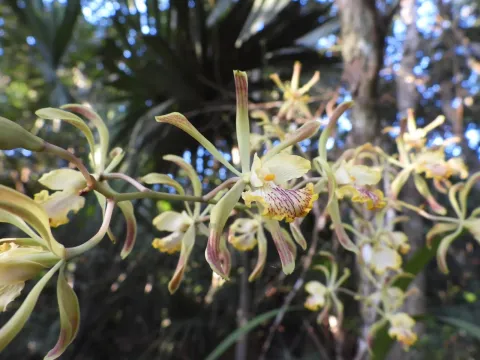
Encyclia
Encyclia
Encyclia is a diverse genus of epiphytic plants belonging to the Orchidaceae family. Native to tropical and subtropical regions of the Americas, these orchids are typically found growing on tree branches or rocky outcrops in their natural habitat.
What the section contains
 Encyclia acutifolia
Encyclia acutifolia
Encyclia acutifolia
 Encyclia adenocaula
Encyclia adenocaula
Encyclia adenocaula
 Encyclia alata
Encyclia alata
Encyclia alata
 Encyclia alboxanthina
Encyclia alboxanthina
Encyclia alboxanthina
 Encyclia bractescens
Encyclia bractescens
Encyclia bractescens
 Encyclia candollei
Encyclia candollei
Encyclia candollei
 Encyclia cordigera
Encyclia cordigera
Encyclia cordigera
 Encyclia fucata
Encyclia fucata
Encyclia fucata
 Encyclia hybrids
Encyclia hybrids
Encyclia hybrids
 Encyclia isochila
Encyclia isochila
Encyclia isochila
 Encyclia oncidioides
Encyclia oncidioides
Encyclia oncidioides
 Encyclia patens
Encyclia patens
Encyclia patens
 Encyclia randii
Encyclia randii
Encyclia randii
 Encyclia rufa
Encyclia rufa
Encyclia rufa
 Encyclia tampensis
Encyclia tampensis
Encyclia tampensis
 Encyclia xerophytica
Encyclia xerophytica
Encyclia xerophytica
Encyclia
The botanical structure of Encyclia is defined by distinct pseudobulbs that support tough, leathery leaves. These adaptations allow the plant to store water and survive in environments where moisture levels fluctuate significantly throughout the year.
Successful cultivation requires a high level of bright, indirect light. In indoor environments, placing the plant near an east or west-facing window is ideal. Avoid harsh midday sun, which can cause severe physiological stress and leaf damage to the orchid foliage.
Soil management for Encyclia involves using a specialized, free-draining medium. A mix consisting of pine bark, charcoal, and perlite or sphagnum moss is recommended to ensure adequate airflow around the roots, as root rot is a common issue in poorly aerated pots.
Maintaining proper humidity, between 50% and 70%, is essential for the healthy growth of these orchids. Regular misting or the use of humidity trays, combined with good air circulation, creates an environment that closely mimics their tropical origins.
Encyclia orchids are susceptible to several pests, with spider mites and scale insects being the most prevalent. These pests thrive in dry conditions, making consistent humidity management a key part of the overall pest prevention strategy.
Fungal infections often occur due to poor air circulation and excessive moisture retention in the growing medium. Symptoms include blackened tissue on the pseudobulbs or leaves, requiring immediate pruning of the affected parts and improved environmental conditions.
Mealybugs can cluster in hidden areas of the plant, such as leaf axils, making them difficult to detect. Regular inspection and the use of insecticidal soap can effectively manage small infestations before they become a significant threat.
Bacterial soft rot is a fast-spreading disease that can be lethal if not addressed early. It usually results from water collecting in the crown or center of the growth, which highlights the importance of keeping the plant dry at night.
Proper sanitation of tools and pots is crucial when handling these plants. By sterilizing equipment after each use, the risk of transferring viruses and bacteria between plants is significantly reduced, ensuring the long-term health of the collection.