
Encyclia adenocaula
Encyclia adenocaula
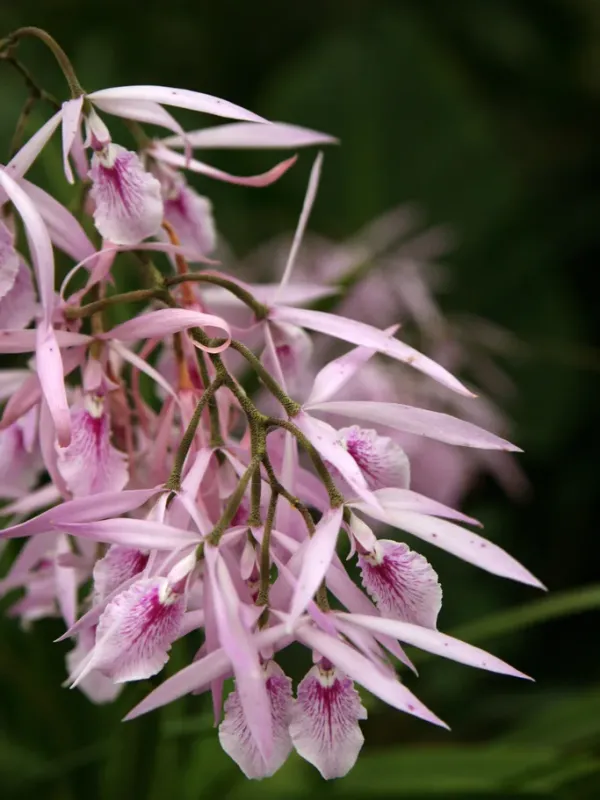
Description
Growing requirements
Encyclia adenocaula is an epiphytic orchid belonging to the Orchidaceae family. Native to the tropical forests of Mexico, this species is highly valued for its striking floral displays and structural beauty in specialized horticulture.
Botanically, it is defined by its robust pseudobulbs and leathery, lance-shaped leaves. Its root system is designed for clinging to bark and absorbing moisture directly from the air, making it an excellent candidate for mounting on driftwood or cork.
Optimal cultivation requires bright, filtered light and high humidity levels. It performs best in temperatures mimicking its native highland habitat, specifically avoiding extreme heat or freezing conditions throughout the annual growth cycle.
The potting medium must be coarse and airy; a mixture of fir bark, charcoal, and perlite is ideal to ensure drainage. Because it is an epiphyte, water must never be allowed to accumulate around the roots, as this leads to rapid decay.
Regular fertilization with a balanced, diluted orchid fertilizer during the active growing season will support the development of mature pseudobulbs, which is necessary for triggering the orchid's natural flowering cycle.
Main diseases and pests
Common pests affecting Encyclia adenocaula include scale insects and mealybugs, which tend to congregate under leaves and around the base of pseudobulbs. These pests inhibit growth by feeding on the plant's essential nutrients.
Fungal rots, specifically root rot, are the most significant threats to the species' long-term survival. These conditions are almost always caused by poor cultural practices, such as excessive watering or inadequate airflow around the root mass.
If an infestation or rot is detected, immediate action is required, involving the removal of affected plant tissues using sterilized tools and the application of appropriate antifungal or insecticidal treatments according to label directions.
Preventive maintenance involves maintaining excellent ventilation to ensure leaves dry off quickly after watering. Proper sanitation in the greenhouse or indoor growing area effectively reduces the risk of bacterial outbreaks.
By mimicking natural seasonal changes, such as a slightly drier and cooler resting period, growers can keep the plant in a state of high vigor, naturally reducing its susceptibility to pests and environmental stressors.