
Encyclia patens
Encyclia patens
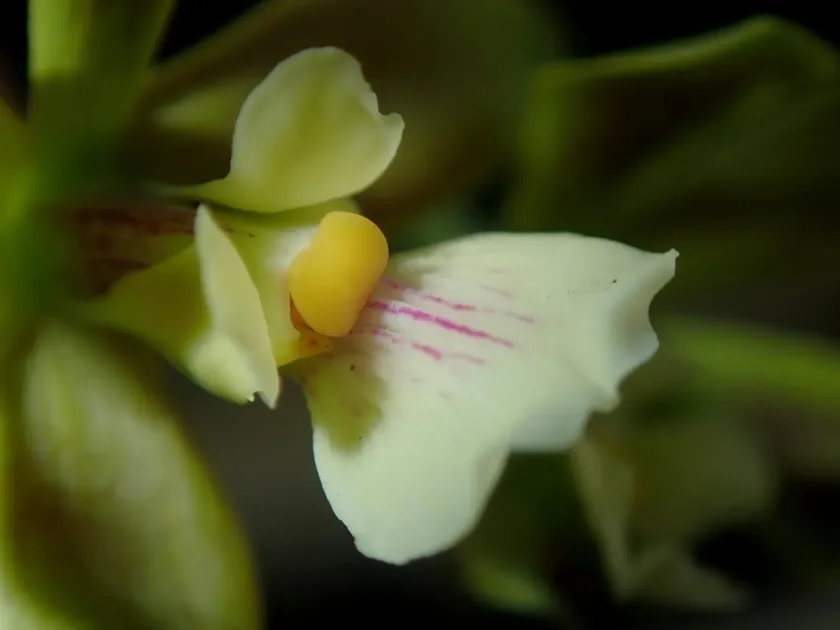
Description
Growing requirements
Encyclia patens is an epiphytic orchid species belonging to the Orchidaceae family. Native to the tropical forests of South America, specifically Brazil, this plant thrives in high-humidity environments, typically growing on trees where it gathers moisture and nutrients from its surroundings.
The culture requires bright, indirect light for optimal growth. Exposure to direct midday sunlight can lead to leaf scorching, so it is recommended to provide filtered light using curtains or shading systems in greenhouse environments.
Temperature requirements for Encyclia patens include a daytime range of 20°C to 26°C, with a necessary drop of several degrees during the night. This temperature differential is crucial for healthy physiological function and promotes the induction of flower spikes.
The substrate must be highly porous and well-draining, reflecting the plant's epiphytic nature. A mixture of pine bark, charcoal, and perlite or sphagnum moss is ideal, as it ensures adequate aeration for the root system and prevents waterlogging.
Watering practices should balance hydration with air circulation. It is essential to let the substrate dry out slightly between waterings, while also maintaining high ambient humidity, ideally between 60% and 75%, to simulate the plant's native habitat.
Main diseases and pests
Improper cultural practices, particularly overwatering, are the primary causes of root and pseudobulb rot in Encyclia patens. Ensuring that the pot has excellent drainage is a critical measure to prevent the development of lethal pathogens.
Scale insects and mealybugs are common pests that affect this orchid. They sap nutrients from the leaves and pseudobulbs, leading to yellowing and stunted growth. Effective control involves manual removal for minor infestations or the application of systemic insecticides.
Spider mites may flourish in environments with low humidity and poor ventilation. Regular misting and maintaining proper airflow around the foliage are key preventative strategies to keep these pests under control.
Fungal pathogens such as black rot thrive in stagnant air and high moisture levels. To mitigate these risks, it is important to provide constant air circulation and avoid leaving water sitting in the leaf axils or on the pseudobulbs.
Regular sanitation of tools and a clean growing environment are essential to prevent the spread of viral and bacterial diseases. Consistent monitoring allows growers to address issues early before they compromise the entire plant.