
Encyclia candollei
Encyclia candollei
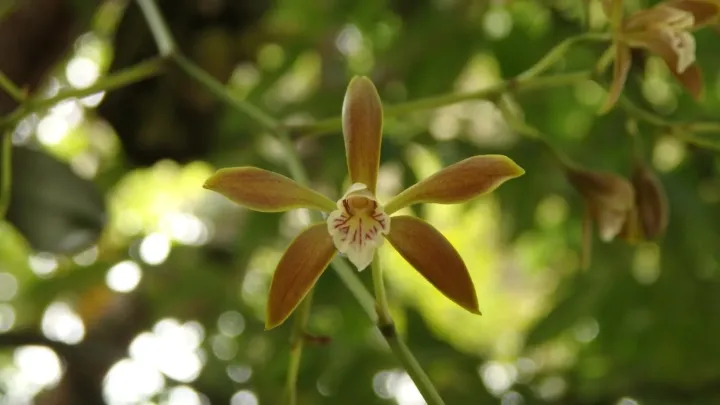
Description
Growing requirements
Encyclia candollei is an epiphytic orchid belonging to the Orchidaceae family. Native to the tropical regions of Mexico, this species is well-adapted to environments that experience distinct seasonal changes in humidity and precipitation.
The plant exhibits a sympodial growth habit, characterized by pseudobulbs that store water. These organs are essential for the survival of the plant during periods when moisture is scarce in its natural habitat. It thrives in well-ventilated areas with high airflow.
Temperature requirements for this species are relatively moderate. It prefers daytime temperatures between 20°C and 27°C, with a significant drop at night, which is crucial for triggering the development of inflorescences and maintaining the plant's health.
When it comes to light, Encyclia candollei requires bright, indirect sunlight. Direct sunlight can scorch the foliage and damage the pseudobulbs. A south or east-facing window with a sheer curtain is typically an ideal location for home cultivation.
Substrate selection is critical for success. The medium must be coarse and porous, typically consisting of fir bark, charcoal, and perlite. This structure ensures that roots are aerated and water can drain rapidly, preventing the common issue of root rot.
Main diseases and pests
Pests are a common concern in orchid cultivation. Scale insects often target the pseudobulbs and leaf junctions. These pests can be manually removed with an alcohol-soaked swab, followed by the application of horticultural oil if the infestation persists.
Mealybugs are another frequent threat, appearing as white, cotton-like masses on the plant. These insects thrive in stagnant air conditions, making proper ventilation the first line of defense against them.
Fungal infections, such as Black Rot, occur when the plant is kept in conditions that are both cool and excessively wet. These pathogens can spread rapidly through the tissue, potentially killing the plant if not treated immediately with systemic fungicides.
Spider mites can become a problem if the humidity levels drop too low. They cause stippling on the foliage and weaken the plant's overall vigor. Maintaining humidity levels above 60% is an effective way to discourage these pests.
Proper hygiene is essential. Always sanitize cutting tools before use and isolate any new plants brought into your collection to prevent the spread of diseases and pests among your established orchids.