
Encyclia oncidioides
Encyclia oncidioides
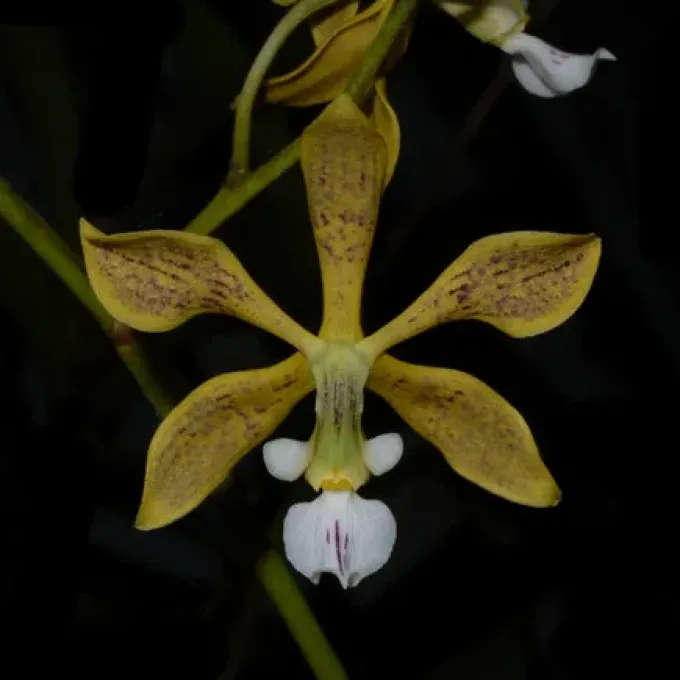
Description
Growing requirements
Encyclia oncidioides is a captivating epiphytic plant belonging to the Orchidaceae family. Native to the tropical regions of Central and South America, this species thrives in humid forests where it typically colonizes tree branches, utilizing them for structural support.
The plant features distinct pseudobulbs that act as storage organs, allowing the orchid to survive fluctuations in moisture. Its foliage is generally leathery and narrow, demonstrating an evolutionary adaptation to the bright, dappled light of the tropical canopy environment.
Cultivation requires a delicate balance of light, temperature, and humidity. It prefers bright, indirect sunlight and a stable temperature range between 20°C and 28°C. A significant diurnal temperature drop is often necessary to trigger the development of flower spikes.
The choice of substrate is critical; being an epiphyte, it requires excellent aeration. A mixture of pine bark, charcoal, and perlite is ideal for cultivation in pots. Alternatively, mounting the plant on driftwood or cork slabs provides the best natural growing conditions.
Watering frequency depends on the ambient humidity and light intensity. During the active growing phase, the substrate should remain slightly moist but never waterlogged. Following the blooming cycle, the plant requires a period of reduced water to mimic its natural dry season.
Main diseases and pests
Common pests affecting this species include scale insects, mealybugs, and spider mites. These pests thrive in dry air conditions and can cause significant damage to pseudobulbs and leaves by piercing the plant tissue and extracting nutrients.
Fungal pathogens such as Pythium and Phytophthora often manifest as root rot when stagnant water accumulates in the pot. Maintaining clean equipment and ensuring rapid drying cycles between waterings are the most effective preventative strategies against these pathogens.
Leaf spot diseases can also occur if humidity levels are high but airflow remains stagnant. Providing good ventilation around the plant is essential for maintaining robust health and preventing the onset of bacterial and fungal infections throughout the year.