
Epidendrum amphistomum
Epidendrum amphistomum
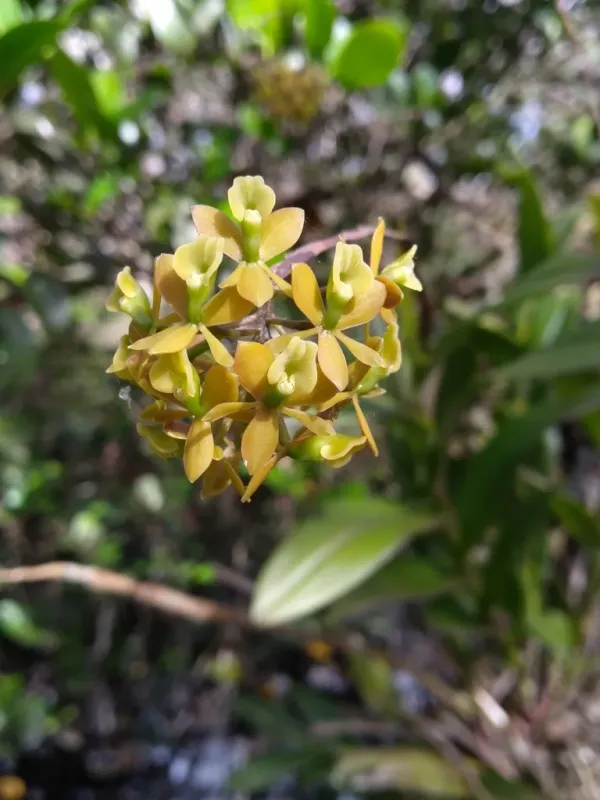
Description
Growing requirements
Epidendrum amphistomum is a fascinating species belonging to the Orchidaceae family. Originally native to the Caribbean and Florida, it is an epiphyte that naturally thrives on tree trunks, utilizing the canopy microclimate to sustain its growth cycles.
In agricultural settings, this culture requires a specialized epiphytic substrate composed of pine bark, charcoal, and perlite. This mixture ensures essential drainage and airflow, preventing root suffocation which is a common failure in commercial orchid production.
The plant demands high light intensity, ideally reaching 2,500 to 4,000 foot-candles. Supplemental lighting is often required in northern latitudes to maintain year-round vigor and encourage the development of strong, healthy inflorescences.
Temperature management is vital; Epidendrum amphistomum performs best with day temperatures between 22 and 28 degrees Celsius, combined with a significant nighttime drop of at least 5-8 degrees to trigger the flowering mechanism.
Humidity control is paramount for this orchid species. Maintaining a constant relative humidity of 65-75% is standard practice in greenhouse operations, often achieved through automated misting systems and high-capacity ventilation units.
Main diseases and pests
Common pests include spider mites and mealybugs, which tend to congregate in the leaf axils. Early detection through regular crop scouting is essential, followed by the application of target-specific insecticides to keep populations below the economic injury level.
Fungal rots, specifically Phytophthora and Pythium species, represent the greatest threat to root health. Strict hygiene in water management and substrate sterilization are the primary defenses against these destructive pathogens.
Viral infections, characterized by mosaic patterns on the foliage, are incurable. Infected plants must be culled immediately to prevent the spread of the virus via sap-sucking insects or contaminated pruning tools throughout the growing area.
Bacterial soft rot can occur if the foliage remains wet for extended periods, especially in poor lighting conditions. Improving airflow and reducing the frequency of overhead watering can significantly lower the incidence of such diseases.
Integrated Pest Management (IPM) strategies, including the introduction of beneficial predatory mites, can effectively control pest outbreaks while reducing the reliance on heavy chemical applications in the greenhouse environment.