
Encyclia xerophytica
Encyclia xerophytica
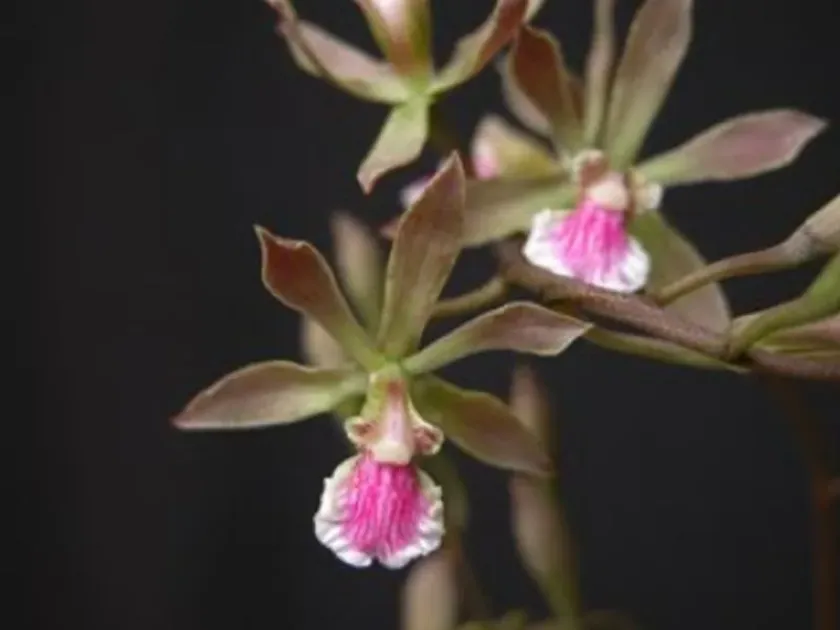
Description
Growing requirements
Encyclia xerophytica is a distinctive orchid species belonging to the Orchidaceae family, characterized by its specialized adaptation to arid environments as an epiphyte.
The plant originates from the tropical regions of South America, primarily endemic to Venezuela, where it thrives in rocky habitats and dry forests subjected to seasonal drought cycles.
Cultivation requires high levels of ambient light, ideally bright filtered light, to maintain the health of its rigid, drought-resistant leaves and to stimulate future flowering cycles.
The temperature regime should mimic the natural environment, providing warm daytime temperatures with a necessary significant drop during the night to initiate the reproductive phase.
An open, well-draining epiphytic mix consisting of high-quality pine bark, perlite, and charcoal is essential for providing optimal aeration to the roots and preventing moisture retention.
Main diseases and pests
Root rot caused by excessive moisture and poor aeration is the most common threat to Encyclia xerophytica, often leading to the rapid decay of the pseudobulbs.
Scale insects and mealybugs are the primary pests that can infest the plant, usually concentrating in the leaf axils and beneath the foliage where they are difficult to detect.
Low air circulation in cultivation areas creates microclimates that encourage the growth of various fungal pathogens, manifesting as spotting or necrotic tissue on the leaves.
Spider mites may become problematic during periods of low humidity, necessitating regular misting or the use of humidifiers to maintain a stable microclimate around the orchid.
Integrated pest management, including regular monitoring and the use of targeted acaricides or insecticides, is recommended to keep the collection free from pest infestations.