
Encyclia randii
Encyclia randii
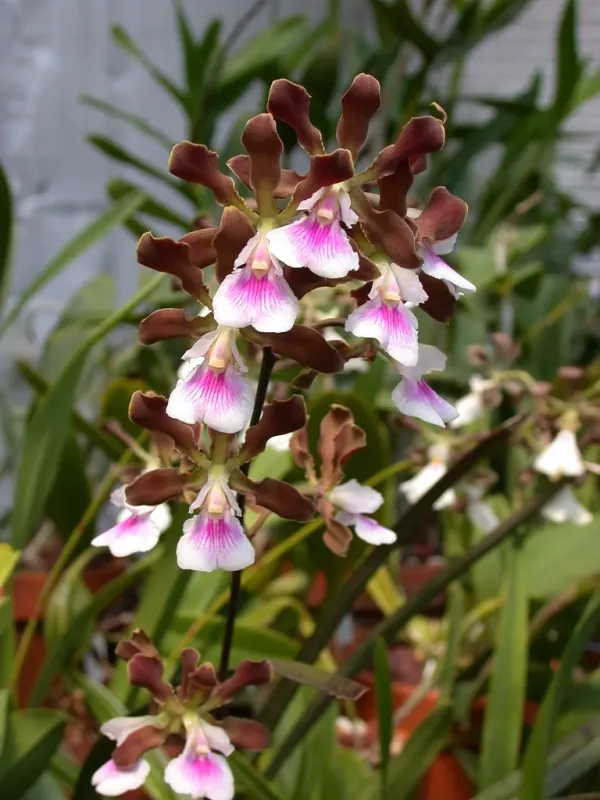
Description
Growing requirements
Encyclia randii is a fascinating epiphytic orchid species belonging to the Orchidaceae family. Native to the tropical regions of Brazil, this plant naturally thrives in humid forest environments, attaching itself to the bark of trees to access filtered sunlight and moisture.
In cultivation, this species requires bright, indirect light to maintain healthy growth and ensure vigorous blooming. Placing the orchid in an area with good air circulation is essential, as stagnant air often leads to the development of fungal pathogens and physiological stress.
Temperature management plays a critical role in the plant's development. It prefers warm conditions during the day and cooler temperatures at night, which helps stimulate the plant's natural cycles. Maintaining a stable environment within the tropical range is key to success.
Watering should be balanced and tailored to the plant's drying cycle. It is vital to allow the growing medium to dry out almost completely between waterings to prevent root suffocation. Regular misting or the use of a humidifier helps maintain the necessary ambient humidity levels.
The choice of substrate is fundamental for this orchid. A specialized mix consisting of high-quality pine bark, charcoal, and a bit of perlite works best. This combination ensures sufficient drainage and aeration for the root system, mimicking the natural conditions of tree bark.
Main diseases and pests
Common pests affecting Encyclia randii include spider mites and scale insects, which tend to infest plants in dry or poorly ventilated spaces. Growers should implement regular scouting routines and apply horticultural oils or mild soap solutions if an infestation is detected.
Root rot is the most significant threat to this orchid, almost exclusively caused by overwatering or poor drainage. To prevent this, growers must ensure that the planting pot has ample drainage holes and that the medium does not become compacted or waterlogged over time.