
Ephippianthus
Ephippianthus
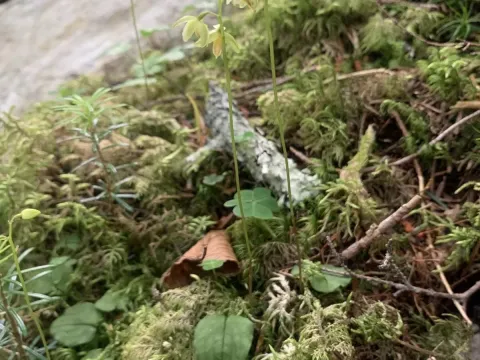
Ephippianthus is a genus of perennial herbaceous plants belonging to the Orchidaceae family. It is recognized as a specialized botanical group that thrives in highly specific environments, primarily within cool, moist forest ecosystems.
What the section contains

Ephippianthus
The geographic distribution of Ephippianthus is centered in parts of the Russian Far East, Sakhalin, and Japan. These plants are typically found in old-growth forests where deep shade and consistent soil moisture provide a stable environment for their development.
Botanically, these orchids are characterized by their small stature and limited leaf production. A significant feature of their biology is their total dependence on mycorrhizal fungi in the soil, which facilitates the uptake of essential nutrients and carbon compounds.
Regarding cultivation requirements, Ephippianthus is extremely sensitive to changes in soil chemistry and microclimate. They demand high humidity and a consistent temperature range, making them nearly impossible to cultivate in standard agricultural conditions.
There is no industrial or agricultural use for Ephippianthus. The species is valued exclusively by botanists and conservationists who monitor the health of these rare orchids to protect them from extinction within their native forest habitats.
The primary threats to Ephippianthus populations are the loss of forest canopy and soil disturbance. Deforestation directly impacts the humidity levels and the health of the fungal networks upon which these orchids strictly rely.
Environmental stressors such as climate change and increased competition from invasive weed species also pose significant risks. Without strictly managed protected areas, the long-term survival of this genus remains under threat due to habitat fragmentation.