
Epidendrum acunae
Epidendrum acunae
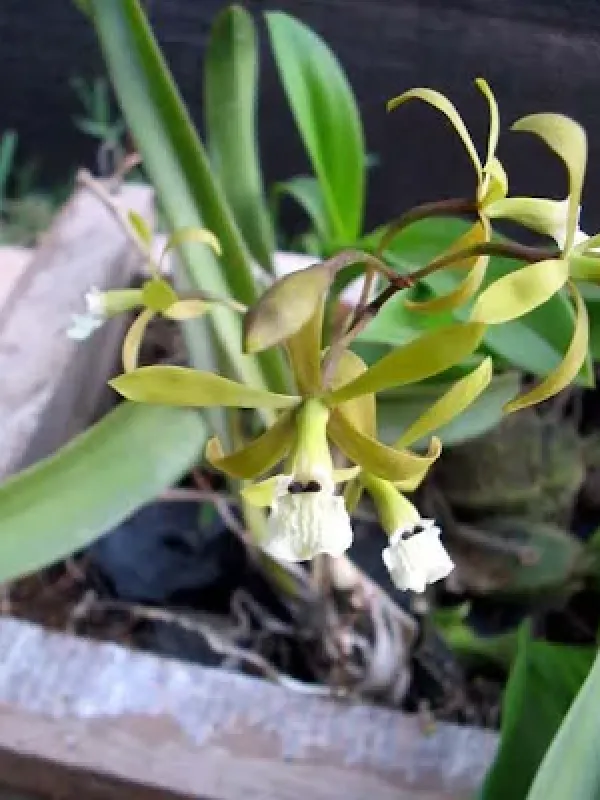
Description
Growing requirements
Epidendrum acunae is an epiphytic species belonging to the Orchidaceae family. Naturally occurring in tropical habitats, this orchid thrives in high-humidity environments, typically anchoring itself to tree branches where it receives filtered light and high aeration.
Temperature requirements for this species are consistent with subtropical climates. It thrives in temperatures between 22°C and 26°C during the day, with a significant drop of about 5–8°C at night. This diurnal temperature variation is essential for the plant's metabolic processes.
For optimal growth, the substrate must be highly porous. A mixture of pine bark, charcoal, and perlite is recommended. This composition ensures that water drains quickly, preventing the stagnation that frequently leads to root rot in epiphytic species.
High relative humidity, ideally between 70% and 80%, must be maintained. In residential cultivation, this can be achieved using humidifiers or by placing the plant in a terrarium. Frequent misting is beneficial, provided that the plant has enough airflow to dry the leaf axils.
Lighting should be bright but indirect. Intense, direct sunlight can bleach or scorch the foliage. Placing the orchid behind sheer curtains or under a light shade cloth mimics the dappled forest light it receives in its native habitat.
Main diseases and pests
Common pathological threats include fungal infections such as Botrytis or various root rots. These are primarily caused by poor ventilation and water logging. Maintaining good air circulation with a small fan or open windows is crucial for disease prevention.
Insect pests, specifically spider mites and scale insects, are frequent visitors in dry environments. If an infestation occurs, it is recommended to use gentle insecticidal soaps or neem oil solutions to treat the foliage without damaging the delicate plant tissue.