
Encyclia hybrids
Encyclia hybrids
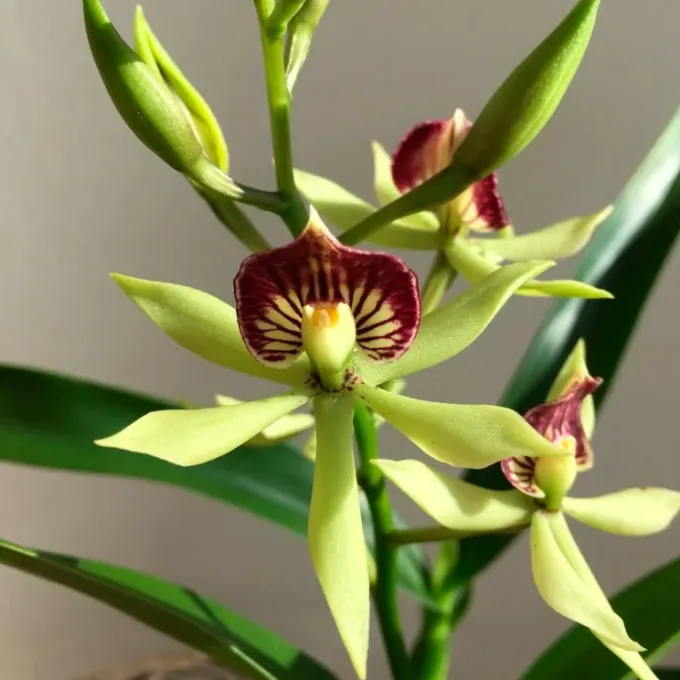
Description
Growing requirements
Encyclia is a diverse genus within the Orchidaceae family, renowned for its resilient nature and attractive pseudobulbs. Hybrid varieties of Encyclia are specially bred to combine the beauty of wild species with increased hardiness, making them excellent choices for orchid enthusiasts and collectors.
These plants are primarily epiphytic, naturally occurring in the tropical regions of the Americas. In a domestic environment, they require bright, indirect light to thrive. Proper lighting is essential for the development of robust pseudobulbs and ensures the plant has the energy needed to produce its unique, often fragrant, flowers.
The substrate must prioritize drainage and aeration, as roots are highly susceptible to suffocation in dense media. A mix consisting of pine bark, charcoal, and perlite is ideal. This simulates their natural habitat on tree trunks, allowing for rapid water drainage and constant oxygen flow to the root zone.
Temperature management is a critical component of successful cultivation. Encyclia hybrids prefer a warm environment during the day, typically between 20°C and 26°C, with a necessary drop of several degrees at night. This diurnal temperature variation is essential for triggering the blooming cycle and maintaining overall plant vigor.
Watering techniques should focus on the wet-dry cycle. The substrate must be allowed to dry out significantly between watering sessions to prevent root rot. Maintaining a humidity level of 50-60% is beneficial, especially in indoor conditions, and can be achieved through the use of misting or humidity trays.
Main diseases and pests
The most common health issues for Encyclia hybrids are fungal infections such as root and stem rot. These are primarily caused by overwatering or poor air circulation. Symptoms include darkened, mushy pseudobulbs or roots that have lost their turgidity and turned brown, requiring immediate intervention and fungicide treatment.
Pests such as scale insects and spider mites frequently target these orchids. Scale insects appear as small, hard, wax-like bumps on stems and leaf undersides, while spider mites leave thin webs and cause yellowing of the foliage. Infestations should be treated promptly with horticultural oils or specific systemic insecticides.
Bacterial spots, appearing as wet, oozing patches on leaves, can occur when water remains trapped in the leaf axils for too long. To mitigate this risk, it is important to ensure that water is directed only at the base of the plant and that the foliage is kept dry, especially in cooler indoor climates.
Improper fertilization, specifically nitrogen toxicity, weakens the plant's cell structure, making it more susceptible to pathogen attacks. A balanced, low-concentration fertilizer formulated for orchids should be used, primarily during the active growing season, to provide necessary nutrients without damaging sensitive roots.
Preventive maintenance is key to long-term success. Providing gentle air movement around the leaves helps prevent fungal growth and keeps the plant healthy. Regular monitoring for early signs of stress allows the grower to adjust light, water, or nutrient levels before significant damage occurs to the specimen.