
Epidendrum antillanum
Epidendrum antillanum
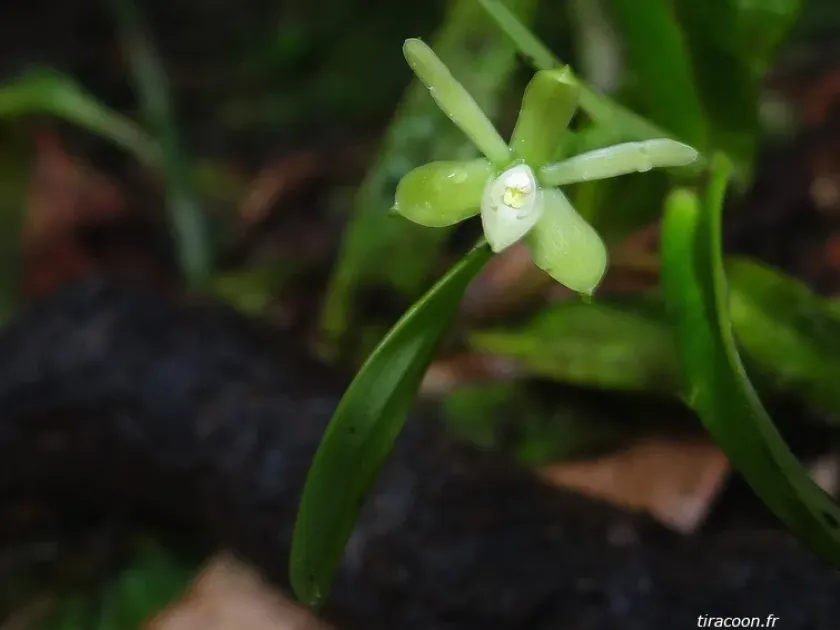
Description
Growing requirements
Epidendrum antillanum is a fascinating species belonging to the Orchidaceae family. As an epiphyte native to the Caribbean region, it is well-adapted to the high-humidity environments found in tropical cloud forests.
The plant grows as a sympodial orchid, forming distinct pseudobulbs that store water and nutrients. Its narrow, leathery leaves are resilient, allowing it to withstand brief periods of drought during the dry season in its native habitat.
To cultivate this species effectively, one must provide a stable temperature ranging between 20°C and 26°C. It is crucial to maintain a consistent diurnal temperature fluctuation to stimulate healthy vegetative growth and subsequent flowering.
Substrate composition is vital for the health of Epidendrum antillanum. Use a well-draining mixture consisting of high-quality fir bark, perlite, and a small amount of charcoal, which ensures that roots receive adequate aeration while retaining necessary moisture.
High humidity levels are essential, ideally maintained between 60% and 80%. Proper ventilation is equally important to mimic the natural breezes of its native environment and to prevent the build-up of stagnant air around the foliage.
Main diseases and pests
Common pests affecting Epidendrum antillanum include mealybugs and spider mites. These pests thrive in dry indoor conditions and can cause significant damage to the plant's delicate tissues if not addressed promptly.
Root rot is the most serious disease risk, typically caused by overwatering or using a medium that has broken down and compacted. Once the roots begin to decay, the plant struggles to uptake water, leading to leaf wilting and eventual death.
Bacterial infections can manifest as soft, water-soaked spots on the leaves. These often occur when water becomes trapped in the crown of the orchid, providing a breeding ground for pathogens that attack the plant's structural integrity.
Viral diseases, while less common, are incurable and can spread through shared cutting tools. It is strictly recommended to disinfect pruning shears using an alcohol solution or flame between plants to ensure a healthy cultivation environment.
Regular visual inspections are the best defense against threats. Proactive measures, such as maintaining cleanliness and optimal air movement, significantly reduce the incidence of both pest infestations and fungal pathogen development.