
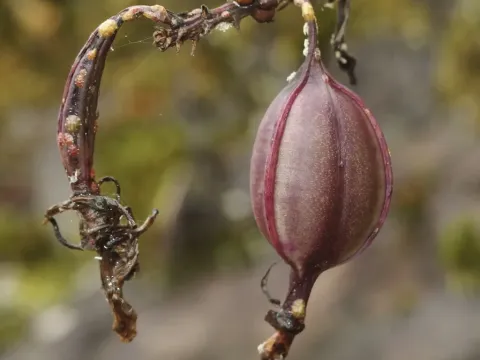
Epidendrum
Epidendrum L.
Epidendrum L. is a diverse genus of orchids within the Orchidaceae family, characterized by its wide variety of epiphytic and lithophytic species. These plants are native to the tropical and subtropical regions of the Americas, thriving in diverse ecological conditions.
What the section contains


Epidendrum
The natural range of the genus extends from the southern United States down to Argentina, with many species inhabiting cloud forests and rocky cliffs. This broad geographic distribution has contributed to the resilience and adaptability of the plants in horticultural environments.
Botanically, Epidendrum orchids are recognized by their cane-like stems or pseudobulbs, which support alternate, leathery leaves. The flowers are typically clustered in terminal racemes and showcase a vibrant array of colors, often lasting for several weeks or months.
Successful cultivation requires bright, filtered light to mimic the forest canopy environment. While they appreciate high light levels, direct sunlight during the peak of the day can cause leaf scorch, necessitating adequate shading in greenhouse settings.
Temperature management is crucial, with most species preferring daytime temperatures between 18 and 25 degrees Celsius. A distinct temperature drop at night is often necessary to trigger flowering and maintain the physiological vigor of the plant.
Commercial production of Epidendrum focuses on the yield of high-quality flowering stems for the florist industry. Growers prioritize strong root development and balanced nutrient uptake to ensure consistent performance throughout the growth cycle.
The cultural value of the plant lies in its long-lasting flowers and diverse growth habits, making it popular for both ornamental pot plant sales and cut flower production. Efficiency in cultivation is driven by high-density spacing and automated climate control.
Fertilization regimes are carefully calibrated to provide nitrogen, phosphorus, and potassium, usually in lower concentrations than required for terrestrial crops. Regular leaching of the substrate prevents salt buildup, which can damage sensitive root tissues.
Productivity increases significantly as the plants reach maturity, with older specimens producing multiple inflorescences. Systematic pruning of expired growth allows the plant to redirect energy toward new vegetative and floral development.
Advanced horticultural techniques, including the use of growth regulators and precisely controlled hydroponic systems, help achieve uniform flowering times, which is essential for meeting market demand during holiday seasons.
Common pests include spider mites and scale insects, which thrive in environments where air circulation is poor and humidity levels are inconsistently managed. Biological and chemical control measures are effective if applied at the early stages of infestation.
Fungal rots are the most prevalent health issue, usually caused by overwatering or the degradation of the substrate. Ensuring a free-draining media composed of pine bark, charcoal, and perlite is essential to prevent anaerobic conditions around the roots.
Viral pathogens pose a significant threat to orchid collections, often manifesting as irregular mottling, necrosis, or distorted growth. Since no chemical cure exists for viruses, strict hygiene and the isolation of symptomatic plants are the only management options.
Mealybugs are also frequently encountered, tending to cluster in leaf axils where they are difficult to reach with standard contact sprays. Manual removal combined with systemic treatments is often required for severe infestations.
- Strict hygiene protocols for all gardening tools.
- Regular inspection for pest clusters.
- Optimized ventilation and air movement.
- Prompt removal of diseased plant tissues.