
Early purple orchid
Orchis mascula
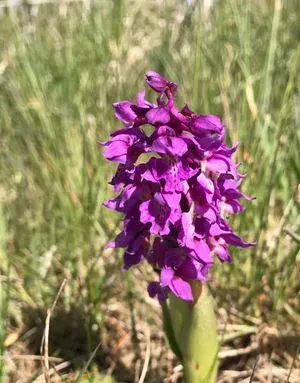
Description
Growing requirements
The Early purple orchid (Orchis mascula) is a perennial herbaceous plant belonging to the Orchidaceae family. It is a significant species known for its medicinal properties and its historical role in traditional medicine.
Botanically, it is characterized by two underground tubers that serve as nutrient storage. It requires a specific symbiotic relationship with soil fungi (mycorrhiza) for germination and proper growth throughout its life cycle.
The plant thrives in well-drained, fertile soils with a neutral or slightly acidic pH. It is sensitive to waterlogging, which can cause the tubers to rot rapidly if the drainage is not sufficient.
It prefers areas with moderate light, typically found in woodland clearings or grasslands. In cultivation, it requires a balance between sufficient sunlight and protection from extreme heat.
Climatic conditions are crucial; the plant prefers temperate regions where winter frosts are not overly severe, as the tubers can be damaged by deep freezing of the ground.
Yield
Cultivation of Orchis mascula for commercial purposes is challenging due to the slow maturation rate of the plant. A cycle of several years is required from planting to harvestable tuber size.
Yield depends heavily on the maintenance of the symbiotic fungal network in the soil. Without this, the growth rate drops significantly, leading to smaller, lower-quality tubers.
Productivity is calculated based on the weight of the fresh or dried secondary tubers. With optimal agricultural management, stable harvests can be achieved over long-term production cycles.
Regular monitoring of the foliage is essential, as the photosynthetic surface directly influences the amount of starch and mucilage accumulated in the underground storage organs.
By implementing careful density management and respecting the plant's natural growth cycle, producers can optimize the output of salep-quality raw material per unit area.
Main diseases and pests
The main threats to the Early purple orchid are fungal infections, particularly root rot, which is triggered by excessive soil moisture and poor ventilation in the growing area.
Soil-borne pests and larvae can physically damage the tubers, creating entry points for secondary infections. Early detection and monitoring are vital for protecting the crop.
Improper fertilization or the use of harsh chemical pesticides can disrupt the delicate mycorrhizal balance, causing the plant to weaken and become more susceptible to diseases.
Preventative practices include strict hygiene on the field, such as removing infected specimens promptly and ensuring that the soil structure remains optimal for root health.
Integrated pest management, focusing on biological control and environmental optimization, is preferred over the aggressive use of chemical inputs that could harm the symbiotic fungi.
Harvesting
The harvest period is strictly defined, usually occurring after the flowering season when the plant begins to enter a period of rest and the daughter tuber is fully developed.
Harvesting involves carefully digging up the tubers without damaging them. Mechanical damage must be strictly avoided, as it leads to rapid degradation and quality loss of the raw material.
Post-harvest processing includes washing the tubers to remove all soil residues, followed by blanching in boiling water to stop the enzymatic processes and prepare them for drying.
Drying is performed in controlled environments with proper air circulation to ensure that the mucilage is preserved and the moisture level drops to the required commercial standards.
Once dried, the tubers are stored in cool, dark, and dry conditions to protect them from moisture and pests, ensuring the final product meets pharmaceutical quality requirements.