
Encyclia isochila
Encyclia isochila
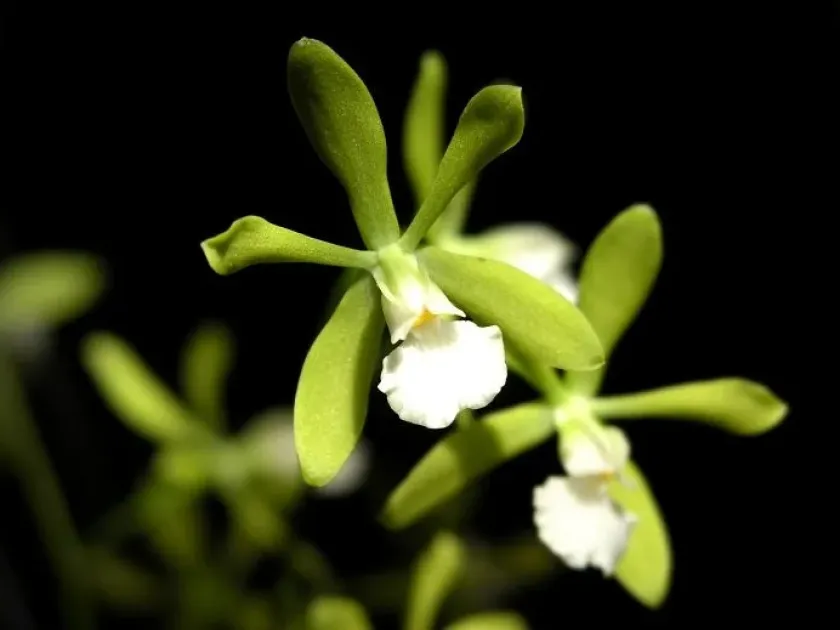
Description
Growing requirements
Encyclia isochila is a member of the Orchidaceae family, native to the tropical regions of Central America and the Caribbean. As an epiphytic plant, it naturally grows on tree branches, which dictates its specific requirements for light and airflow in a domestic or greenhouse environment.
Proper light exposure is critical for the healthy development of this orchid. It thrives in bright, filtered light; excessive direct sun can easily scorch the foliage, while insufficient light leads to stunted growth and a failure to produce blooms during the season.
Humidity levels should be maintained at a moderate to high level, ideally between 60 and 80 percent. Utilizing a humidifier or placing the plant on a tray with damp pebbles can help stabilize the microclimate, especially in heated indoor spaces during winter months.
The planting medium must provide excellent drainage. A mix consisting primarily of fir bark, charcoal, and a small portion of perlite is recommended. This structure mimics the bark of trees and allows roots to breathe, which is essential to prevent root rot.
Temperature management should follow seasonal variations. Maintaining day temperatures around 25 degrees Celsius and providing a slight cooling drop at night helps the plant to cycle correctly and gather energy for the growth of new pseudobulbs.
Main diseases and pests
The primary threats to Encyclia isochila include sap-sucking insects like spider mites and mealybugs, which are common in indoor collections. These pests thrive in dry environments and can quickly weaken the plant if left untreated.
Fungal infections, such as black rot or leaf spot, often occur due to poor air circulation and excessive moisture in the leaf axils. These diseases can progress rapidly and destroy the structural integrity of the pseudobulbs.
Preventative care involves regular misting, though foliage must remain dry by nightfall. Improving airflow using a small fan often eliminates the accumulation of stagnant moisture that promotes disease development.
Pest management relies on integrated control strategies, including mechanical removal with alcohol-dipped swabs and the use of targeted horticultural soaps if an infestation occurs in the orchid's delicate growing points.
Monitoring the orchid for yellowing leaves or wrinkled pseudobulbs is essential, as these symptoms often act as early warning signs of stress caused by environmental imbalances or pest colonization.