
Encyclia cordigera
Encyclia cordigera
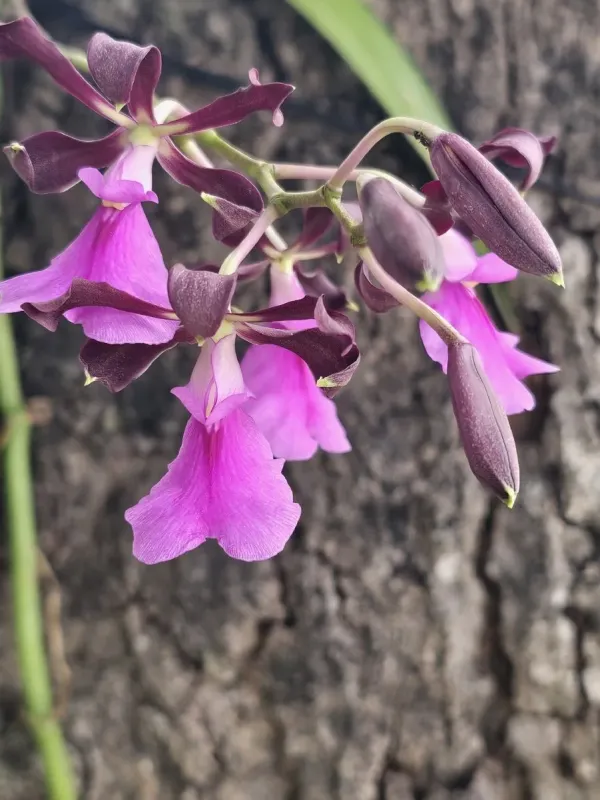
Description
Growing requirements
Encyclia cordigera is an epiphytic species belonging to the Orchidaceae family, native to the tropical forests of Central and South America. In its natural habitat, it grows on tree branches, where it receives high humidity and filtered light.
Successful cultivation requires stable temperatures between 18 and 28 degrees Celsius, with a noticeable drop at night. This thermoperiodicity is essential for the healthy development of pseudobulbs and for inducing the plant to bloom annually.
High relative humidity, ideally between 60 and 80 percent, is crucial for the health of Encyclia cordigera. To maintain these levels, growers often use misting systems or humidity trays filled with wet gravel, ensuring the roots remain well-ventilated.
The potting medium must be porous and coarse, specifically designed for epiphytes. A mixture of pine bark, charcoal, and a bit of sphagnum moss provides the necessary balance between water retention and root aeration, which is vital for preventing rot.
Bright, indirect light is the preferred exposure for this orchid. While it loves a sunny location, it should be kept away from harsh, direct midday sun, which can easily scorch the foliage and reduce the vigor of the plant.
Main diseases and pests
Like many orchids, Encyclia cordigera can be susceptible to common pests such as scale insects, spider mites, and mealybugs. Regular inspections of the undersides of leaves and around the base of pseudobulbs are recommended to detect infestations early.
Root rot is the most common issue, typically caused by overwatering or using a medium that has decomposed and lost its structure. If the substrate becomes too dense, it traps moisture, which leads to the death of the root system.
Fungal infections can appear as dark spots on the leaves, especially in stagnant air conditions. Improving airflow with a small fan or ensuring the plant is in a well-ventilated area can significantly reduce the risk of pathogen outbreaks.
Bacterial soft rot is a more aggressive threat, usually triggered by water collecting in the crown or the junction of the leaves. Proper watering techniques, such as watering only the medium and not the foliage, are standard preventative measures.
Maintaining a clean growing environment and using sterilized tools when repotting or pruning are essential practices for ensuring the long-term health and vitality of your Encyclia cordigera collection.