
Epidendrum anceps
Epidendrum anceps
Description
Growing requirements
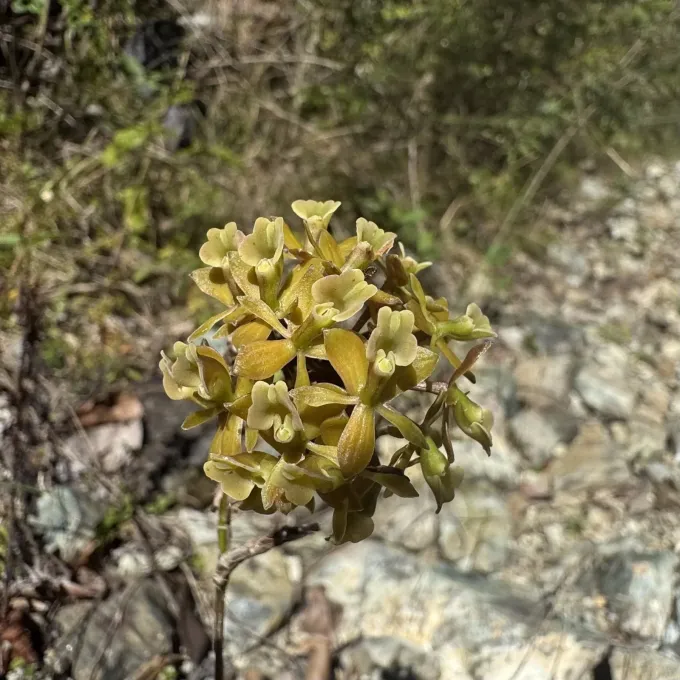
Epidendrum anceps is a distinctive species of epiphytic orchid belonging to the Orchidaceae family. It is native to the tropical regions of Central and South America, typically thriving in humid, forested habitats.
Agronomic success with this species depends on providing a stable tropical environment. Optimal growth is observed when temperatures are kept between 18 and 26 degrees Celsius, preventing cold shock.
Humidity management is essential for the health of aerial roots. A relative humidity level of 65-75 percent is considered ideal for maintaining turgor pressure in the leaves and promoting vigorous development.
Cultivation requires specialized substrates that facilitate air circulation. Using a mixture of bark, perlite, and charcoal ensures that roots are aerated and not subjected to prolonged saturation or anaerobic conditions.
Light intensity should be carefully regulated to mimic the dappled light of the forest canopy. Excessive direct sunlight can severely damage the photosynthetic apparatus, leading to stunted growth and leaf lesions.
Main diseases and pests
Common pests include aphids and mealybugs, which tend to congregate in the leaf axils and on the undersides of the foliage. These pests can rapidly compromise the health of the plant by draining its nutrient resources.
Fungal pathogens such as Pythium and Phytophthora pose a significant threat during periods of high humidity and poor ventilation. These organisms attack the root system, causing it to rot within a few days.
Bacterial soft rot can affect the pseudobulbs, leading to a foul-smelling collapse of the plant tissue. This disease is highly contagious and spreads easily through water droplets or contaminated tools.
Integrated pest management strategies are recommended to maintain plant health. This includes physical removal of pests, improving airflow, and using targeted chemical or organic pesticides when necessary.
Regular sanitation of the growing environment is the primary defense against disease spread. It is advised to disinfect pruning tools frequently to ensure that pathogens are not transferred from one plant to another.