
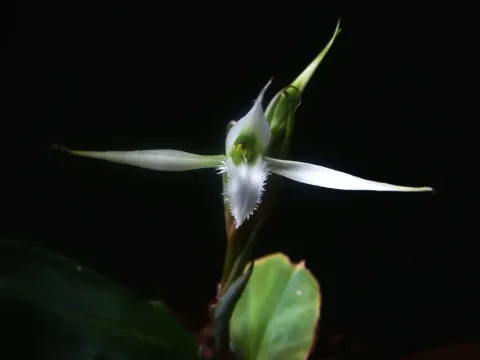
Eltroplectris
Eltroplectris
The genus Eltroplectris represents a specialized group within the Orchidaceae family. These plants are primarily terrestrial, characterized by their unique ability to thrive in the shaded environments of tropical and subtropical forests across the Americas.
What the section contains

Eltroplectris
Geographically, these orchids are native to regions including Brazil, Paraguay, and various islands within the Caribbean. They naturally inhabit forest floors where the soil is rich in organic matter and leaf litter, providing both the necessary nutrients and the drainage required for healthy growth.
Botanically, Eltroplectris is distinguished by its distinct floral morphology, which belongs to the Cranichideae tribe. The plants typically feature a rosette of basal leaves and a terminal inflorescence, with flowers often adapted to attract specific nocturnal or diurnal insect pollinators.
When cultivating these species, mimicking their natural microclimate is essential. This includes providing consistent humidity levels and avoiding direct, intense sunlight, which can cause leaf scorch. A loose, well-draining potting medium is non-negotiable to prevent root respiration issues.
In terms of agricultural and horticultural use, Eltroplectris is not a commercial commodity but holds significant value for botanical conservatories and specialized orchid collectors. Its limited availability makes it a plant of interest for those dedicated to preserving rare tropical flora.
Pathogenic threats primarily include fungal and bacterial rots, which often emerge if the orchid is kept in stagnant or excessively wet conditions. Proper air circulation is the most effective preventative measure against these infections.
Insect pests, particularly mealybugs and scale insects, pose a significant risk to the plant's vitality. Regular monitoring and the application of mild, orchid-safe treatments are recommended to maintain the plant's health and prevent infestations from compromising the root and leaf systems.