
Encyclia bractescens
Encyclia bractescens
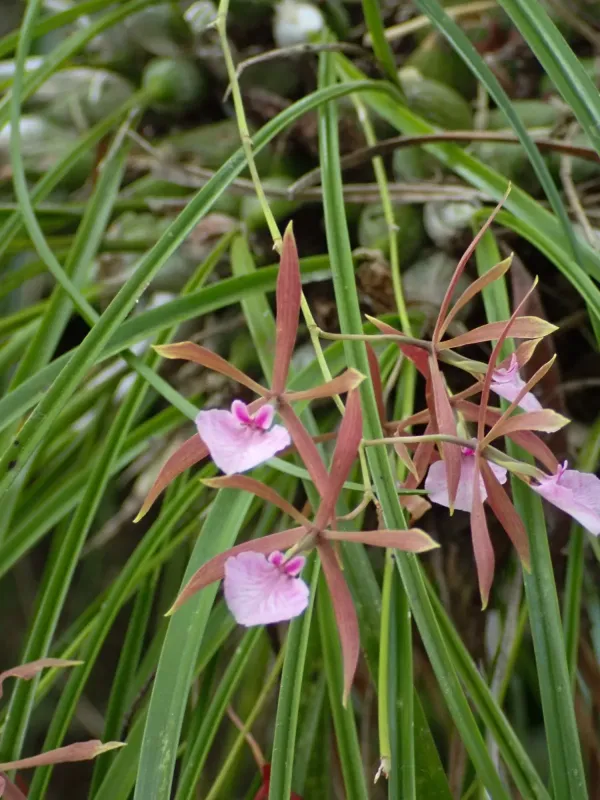
Description
Growing requirements
Encyclia bractescens is a distinct species of epiphytic orchid belonging to the Orchidaceae family, natively found in the tropical regions of Mexico and Central America.
The plant thrives in environments with bright, indirect light, which is crucial for stimulating its growth and promoting the development of its unique bract-like flowers.
Cultivation requires a well-draining epiphyte mix, typically composed of coniferous bark, charcoal, and perlite, to mimic the natural tree-dwelling conditions of the orchid.
Adequate air circulation is a critical factor for success, as stagnant air significantly increases the risk of fungal infections and discourages healthy root development.
Temperature management should prioritize a noticeable difference between day and night temperatures, as this cycle is essential for the physiological health of the plant.
Main diseases and pests
Common pests affecting Encyclia bractescens include spider mites and scale insects, which can rapidly diminish the vigor of the plant if left untreated.
Root rot remains the most significant threat, often caused by overwatering or using a medium that has decomposed and lost its porous structure over time.
Botrytis and other fungal pathogens can cause spotting on the flowers during high humidity periods, necessitating strict control over ambient moisture levels.
Proactive management includes regular monitoring of the foliage and root zone, as well as maintaining a clean environment within the growing space.
When infestation or disease occurs, targeted application of horticultural oils or systemic fungicides is recommended to preserve the integrity of the orchid collection.