
Encyclia alboxanthina
Encyclia alboxanthina
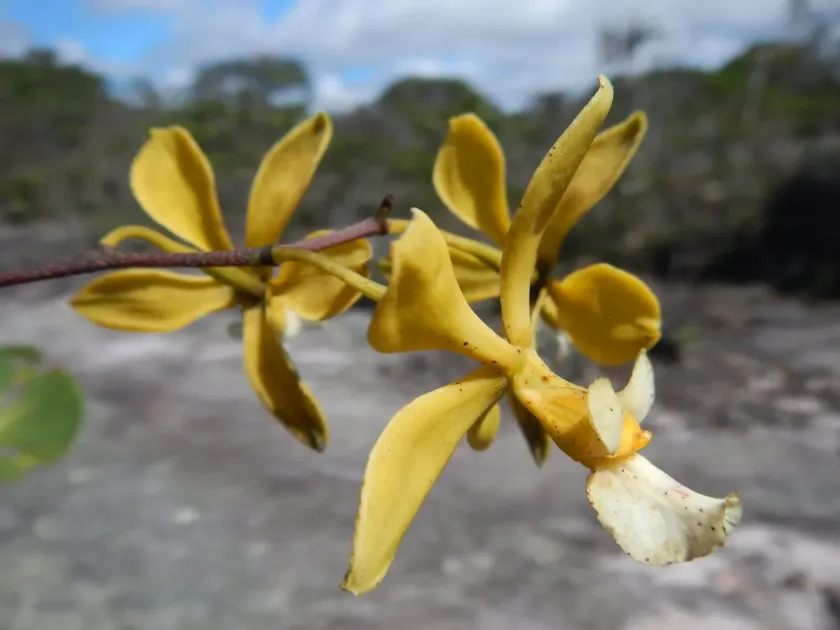
Description
Sowing dates
Encyclia alboxanthina is a specialized epiphytic orchid belonging to the Orchidaceae family, native to distinct tropical environments in Central and South America.
Propagation is typically conducted through division during the repotting process, which should occur when new roots begin to emerge from the base of the pseudobulbs.
The potting medium must be highly porous, consisting of coarse fir bark, charcoal, and perlite to ensure maximum airflow around the delicate root system.
Seed-based propagation is reserved for laboratory settings, utilizing agar-based nutrient media under strict sterile conditions to germinate the minute seeds.
Selecting appropriate containers is essential; clay pots are often preferred for their breathability, ensuring that the roots do not remain overly damp for extended periods.
Growing requirements
This species requires high light intensity, similar to that required by Cattleyas, though filtered light is necessary to prevent leaf scorching during the peak summer sun.
Temperature management is vital: a daytime range of 22°C to 28°C and a cooler nighttime drop of 15°C to 18°C are necessary to initiate the reproductive phase.
Humidity levels must be maintained between 60% and 80%, which is best achieved through the use of evaporative cooling systems or automated misting installations.
Watering frequency should be adjusted based on the season, ensuring the orchid dries out sufficiently between waterings to mimic its natural epiphytic habitat.
- Consistent air circulation to prevent fungal growth on the leaves and bulbs.
- Balanced fertilizer application at half strength during the active growing season.
- A distinct dormant period in winter with significantly reduced water and no fertilizer.
Main diseases and pests
Common pests affecting this culture include spider mites and scale insects, which thrive in environments where air circulation is poor and humidity is insufficient.
Root rot is the most common threat, usually caused by overwatering or the use of decomposed potting media that retains too much moisture for too long.
Bacterial spotting on the leaves can occur if water remains trapped in the new growths; thus, watering is recommended during the early morning hours.
Integrated pest management, including the use of neem oil or specific systemic insecticides, is recommended for controlling outbreaks in greenhouse conditions.
Routine inspections are essential for early detection of potential threats, allowing for prompt intervention before the plant's overall health is compromised.
Harvesting
The primary utility of Encyclia alboxanthina is ornamental, serving as a prized specimen for orchid hobbyists and botanical garden displays.
While not a standard cut flower crop, the inflorescences are admired for their durability and aromatic profile when left on the parent plant during the flowering cycle.
The flowering season typically spans several weeks, during which the plant exhibits its characteristic coloration and structure, provided that cultural conditions were met.
Commercial producers focus on nursery-grown plants, ensuring strong pseudobulb development to maximize the chances of successful flowering for the end user.
Success in cultivating this species requires understanding the rhythmic nature of its growth, balancing periods of high activity with necessary rest to maintain health.