
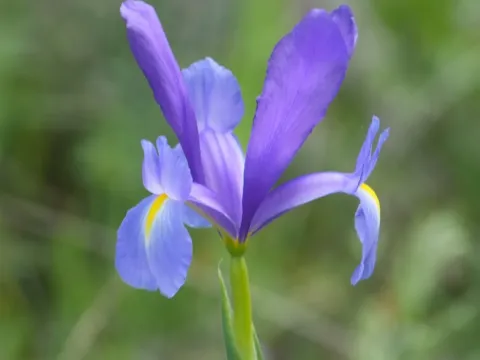
Dutch Iris
Iris xiphium x Iris tingitana
Dutch Iris (Iris xiphium x Iris tingitana) bulbs are typically planted in the open ground in autumn, approximately 2 to 4 weeks before the first frost, allowing roots to establish.
What the section contains
Dutch Iris
In regions with harsh winters, spring planting is a common practice once the soil temperature reaches at least +10 degrees Celsius to ensure healthy development.
For early greenhouse forcing, bulbs are planted in trays with well-drained substrate, beginning in late autumn, while maintaining a strict temperature regimen.
The planting depth is crucial and usually ranges from 8 to 12 centimeters, which protects the bulbs from extreme temperature fluctuations in the soil.
A spacing of 10 to 15 centimeters between plants is recommended to ensure adequate nutrient access and sufficient airflow, preventing potential fungal issues.
The Dutch Iris is a popular bulbous perennial belonging to the Iridaceae family, favored in commercial agriculture for its elegance and variety of vibrant colors.
This crop requires full sun exposure and protection from strong winds, as excessive shading can lead to weak stems and diminished bloom production.
The soil must be light, well-draining, and have a neutral or slightly alkaline pH level; poorly drained soil is the primary cause of root and bulb rot.
Heavy clay soils should be amended with organic matter or sand to improve structure and aeration, ensuring the bulb base remains dry during dormancy.
Consistent moisture is required during the active growing phase, but watering must be reduced significantly once the foliage begins to yellow after flowering.
The primary use of the Dutch Iris is the production of cut flowers for the floral industry, where quality, stem length, and color vibrancy are highly valued.
Commercial yields depend heavily on the size of the bulb planted; larger bulb grades produce higher quality stems suitable for the professional flower market.
Implementing effective agronomic practices, such as controlled drip irrigation and balanced fertilization, can maximize the number of marketable stems per square meter.
Sustainability in yield is maintained through crop rotation and regular soil testing to ensure the ground remains rich in necessary nutrients for the next cycle.
Harvested flowers are graded by stem length and bud development, which determines their market price and durability in vases for end consumers.
Fungal diseases such as Fusarium wilt and leaf spot are the most significant threats to Dutch Iris plantations, especially in humid and poorly ventilated environments.
Bacterial soft rot represents a severe challenge, often triggered by mechanical damage to the bulb during storage or improper irrigation techniques in the field.
Key pests include the iris fly and aphids, which can damage the developing floral buds and weaken the plant, reducing the commercial value of the crop.
Prevention involves treating bulbs with systemic fungicides before planting and maintaining strict field hygiene by removing any infected plant debris immediately.
Integrated pest management strategies are essential, focusing on early detection and targeted treatments to maintain the health of the entire bulb stock.
The harvest should occur when the bud is fully colored but not yet fully open, ensuring the flowers can withstand shipping and handling processes.
Cutting is most efficient in the early morning hours, which helps maintain the turgor of the stems and prolongs the shelf life of the cut flowers.
After the flowering season and natural senescence of the foliage, the bulbs are lifted for cleaning, sorting, and storage under controlled environmental conditions.
Drying the bulbs in a well-ventilated, shaded area is essential to prevent mold growth and prepare them for long-term storage until the next planting season.
Proper storage temperatures and low humidity levels are critical to maintaining bulb viability and preventing unwanted sprouting during the dormant months.