
Heuffel's Crocus
Crocus heuffelianus
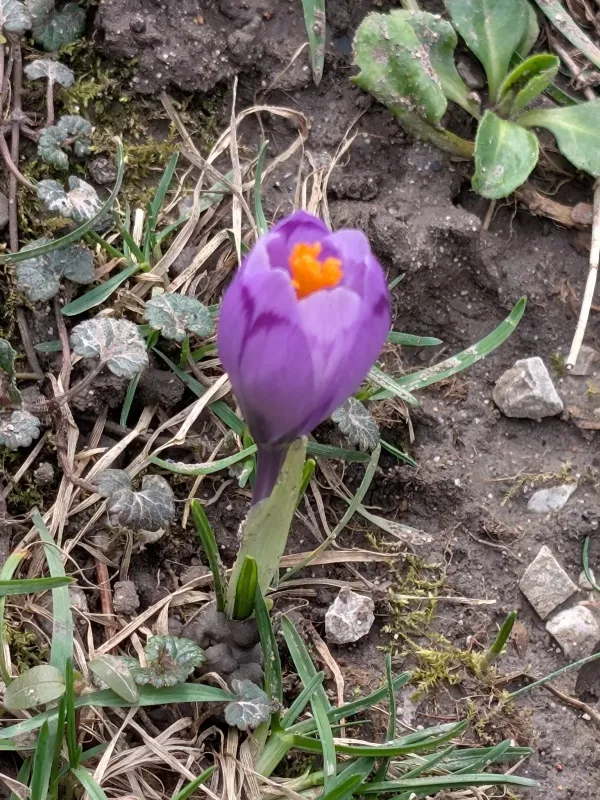
Description
Growing requirements
Heuffel's Crocus (Crocus heuffelianus) is a species of flowering plant within the Iridaceae family. This perennial bulbous plant is native to the mountainous regions of Eastern Europe and the Carpathians, where it thrives in alpine meadows.
The plant requires well-drained soil conditions to prevent bulb rot. Sandy or loamy soils with a balanced nutrient profile are ideal for promoting healthy growth and preventing moisture-related pathologies.
Exposure to full sunlight is essential for the optimal blooming performance of Crocus heuffelianus. While it can tolerate partial shade, insufficient sunlight often leads to stunted growth and reduced flower production.
As a mountain-adapted species, this crocus exhibits strong hardiness to low temperatures. It is well-suited for temperate climates and requires a dormant period during the winter to trigger successful spring growth.
Agricultural management involves careful moisture control throughout the vegetative cycle. Once the foliage begins to yellow and die back, watering should be significantly reduced to allow the bulbs to enter dormancy.
Main diseases and pests
The primary threats to this culture are fungal pathogens such as Botrytis, which can cause grey mold on the leaves and flowers under humid, stagnant conditions.
Small mammals, particularly voles and mice, pose a severe threat by consuming the bulbs. Implementing physical barriers during planting is often necessary to ensure survival.
Viral infections may manifest as color breaking in the petals or mottling on the leaves, usually spread by aphids; therefore, insect control is a vital preventive measure.
Root rot caused by Phytophthora species is common in soils with poor aeration or excessive clay content, necessitating proper soil preparation before planting.
Sanitation is key to disease management; all withered foliage and infected plant parts should be removed and destroyed to minimize the inoculum load for the following season.