
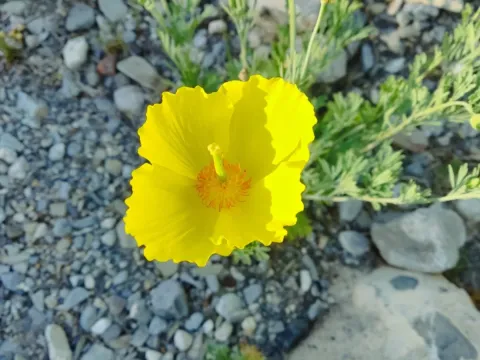
Hunnemannia
Hunnemannia Sweet
Hunnemannia fumariifolia, often known as the Mexican tulip poppy, is typically grown as an annual. Sowing usually occurs in late winter or early spring, starting seeds indoors to ensure a successful transition to the field.
What the section contains

Hunnemannia
The seeds should be sown in individual pots or biodegradable trays to prevent root disturbance during transplantation. The species has a sensitive taproot, making direct sowing the preferred method in frost-free regions.
Maintain an ambient temperature of around 18-20 degrees Celsius for germination. Provide sufficient light immediately upon sprouting to prevent leggy growth of the seedlings.
Transplanting into the permanent garden beds should only take place once the soil has warmed up and all risks of frost have passed. Handle the root ball with extreme care to ensure the plant establishes quickly.
Space the plants approximately 30 centimeters apart to allow for proper airflow and development. Proper spacing is crucial to prevent the overcrowding that often leads to physiological issues.
Belonging to the Papaveraceae family, Hunnemannia thrives in conditions that mimic its native Mexican habitats. It requires full sun exposure throughout the day to reach its maximum flowering potential.
Well-draining, sandy, or loam soils are essential for this crop. It is highly intolerant of waterlogged soil, which quickly leads to crown rot and failure of the plant to mature.
This plant is moderately drought-tolerant once established. However, regular, light watering during the initial growth phase is necessary to encourage healthy root system development in young plants.
Climate preference includes warm, dry summers. High humidity levels combined with cooler temperatures can be detrimental, often leading to increased disease pressure and stunted growth.
Avoid heavy fertilization, especially with high-nitrogen formulas. A balanced, low-concentration fertilizer is sufficient, as excessive nutrients can negatively impact flower production and stem quality.
Root rot, driven by excessive moisture and poor soil aeration, is the primary threat to Hunnemannia. Ensuring the garden site has an excellent drainage system is the most effective preventative measure.
Aphids and spider mites are common pests that may infest the plant during hot, dry spells. Regular monitoring and, if necessary, the application of horticultural soaps are recommended for control.
Powdery mildew can appear if the plants are situated in areas with stagnant air or poor circulation. Maintaining adequate spacing and keeping foliage dry during irrigation helps mitigate this risk.
Slugs and snails can cause significant damage to young seedlings. Implementing physical barriers or organic bait traps around the perimeter of the crop can effectively manage these pests.
Maintaining a weed-free environment is vital. Weeds not only compete for nutrients but also harbor pests and diseases that can quickly spread to the Hunnemannia crop.
For ornamental use, Hunnemannia should be harvested in the early morning while the buds are still partially closed. This ensures optimal vase life and preserves the delicate texture of the petals.
Use sharp, sanitized garden shears to make clean cuts at the base of the stem. Immediately place the cut flowers in a clean container with fresh, room-temperature water.
Seed collection is performed after the pods turn brown and begin to dry on the stalk. Harvesting should be done in dry conditions to prevent moisture entrapment within the pods.
Stored seeds must be kept in a cool, dry, and dark environment to maintain viability. With proper storage conditions, the seeds will remain viable for future planting for several years.
At the end of the growing season, remove all plant debris from the site. Proper field sanitation prevents the buildup of pathogens in the soil, protecting future crops.