
Bearded iris
Iris x germanica L.
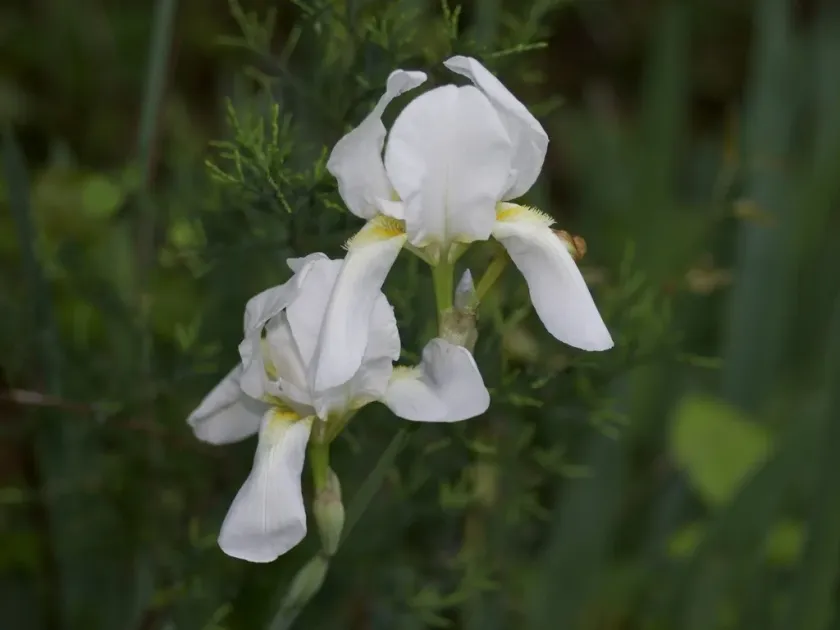
Description
Growing requirements
The bearded iris (Iris x germanica) is a prominent herbaceous perennial belonging to the Iridaceae family. It is characterized by its thick, fleshy rhizomes and iconic sword-shaped foliage that provides structural interest throughout the growing season.
Cultivation success depends heavily on site selection, as these plants require full sun and excellent soil drainage. Heavy, water-logged soils are detrimental to the rhizomes and frequently lead to root rot; therefore, planting on raised beds is highly recommended.
This species is highly adaptable to various temperate climates, demonstrating robust winter hardiness. Ideally, the soil should be neutral to slightly alkaline, ensuring the necessary nutrient uptake for vigorous flowering and root development.
Standard agrotechnical practices involve careful weed control, ensuring that the rhizome remains partially exposed to the sun. Frequent shallow cultivation is necessary to maintain soil aeration, though care must be taken not to damage the surface-level roots.
Beyond its ornamental value, the iris holds significant economic importance in the fragrance and cosmetic industries. The harvested rhizomes, known as orris root, are processed to extract valuable oils used in high-end perfume manufacturing.
Main diseases and pests
The most devastating threat to bearded irises is soft rot, a bacterial infection that affects the rhizomes under conditions of excessive moisture or poor circulation. Infected plants must be cleaned by cutting away affected tissue until only white, healthy material remains.
Insect pests, particularly the iris borer, represent a major concern as larvae tunnel into the rhizomes, potentially killing the plant. Regular monitoring for egg clusters and the use of systemic insecticides are essential management strategies.
Thrips and aphids can also cause significant damage by feeding on foliage and flower buds, weakening the plant. Integrated pest management, including natural predators and targeted applications, is the most effective approach to control.
Cultural prevention is key: avoiding overcrowding and ensuring proper spacing between plants improves airflow and reduces humidity. Furthermore, nitrogen fertilizers should be used sparingly, as excessive growth can lead to succulent tissues that are more susceptible to disease.
Regular maintenance, including the division of rhizomes every few years, ensures the longevity of the planting and helps prevent the buildup of soil-borne pathogens. Sanitation of garden tools between operations is a mandatory practice for healthy crop maintenance.