
Florentine iris
Iris florentina L.
Description
Growing requirements
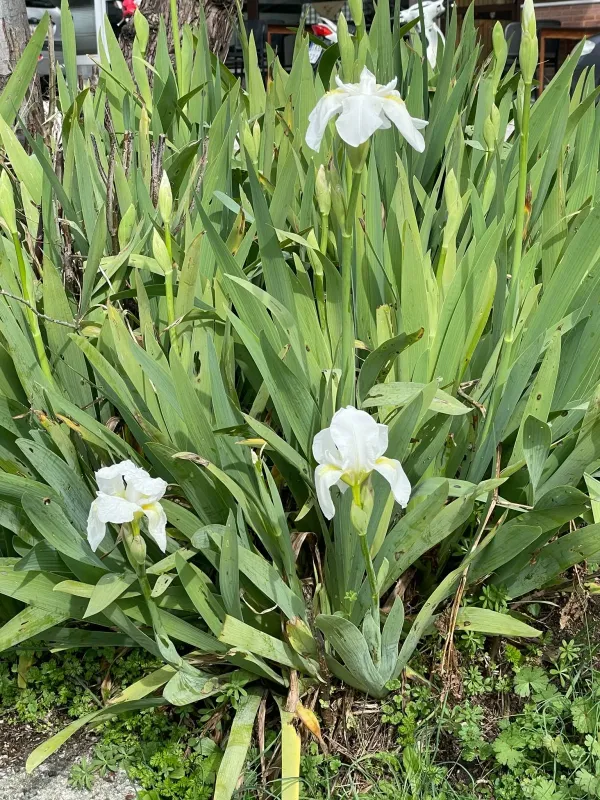
The Florentine iris (Iris florentina L.) is a perennial herbaceous plant belonging to the Iridaceae family. It is botanically prized for its fragrant white flowers and its significant rhizome, which is the primary economic component of the plant.
The plant originates from the Mediterranean region, dictating its preference for well-drained, alkaline or neutral soils. It thrives in sunny environments and exhibits notable resistance to drought, making it suitable for areas with distinct dry seasons.
Optimal soil conditions are critical for this species; heavy, clay-based soils should be amended to prevent waterlogging. Good soil aeration is essential to prevent the rhizomes from decaying prematurely during the winter or rainy months.
Agronomic management involves standard practices such as manual weeding and occasional soil loosening to prevent compaction. Fertilization should be balanced, focusing on mineral nutrients rather than heavy nitrogen, which promotes excessive leafy growth.
The primary economic use is the extraction of "orris root" from mature rhizomes. This product is a staple in the perfume and cosmetic industries, valued for its complex chemical compounds, including irones, which provide a distinct violet-like scent.
Main diseases and pests
Bacterial soft rot is the most devastating disease for Iris florentina, often triggered by excessive soil moisture and poor drainage. Management requires strictly monitored irrigation and the immediate removal of infected plant tissue.
Pests include the iris borer and various species of aphids that can impact the vegetative growth. Integrated pest management strategies, involving chemical controls and biological monitoring, are necessary for maintaining high-yield plantations.
Harvesting
Rhizome harvesting typically occurs every three to four years when the plant has accumulated a sufficient concentration of essential oils. Mechanical or manual extraction is performed once the plant has entered a dormant phase.
Post-harvest, the rhizomes undergo a critical drying process known as curing. This period allows biochemical changes to stabilize, resulting in the desired aromatic qualities that define high-quality commercial orris root.