
Iris albicans
Iris albicans
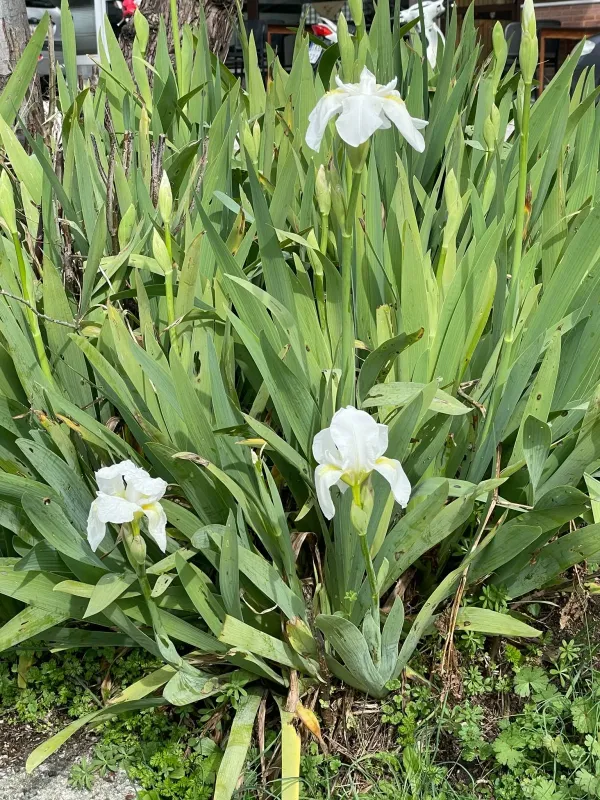
Description
Sowing dates
Planting of Iris albicans is best performed in late summer or early autumn, typically from August through September. This period allows the rhizomes to establish a robust root system before the onset of dormancy.
In regions with cooler climates, spring planting is a viable alternative once the soil has sufficiently thawed. During spring establishment, consistent but moderate moisture is vital for root development.
Propagation is achieved by dividing mature rhizomes into segments. Each division must contain a healthy fan of leaves and a sufficient portion of the rhizome to support initial growth.
The planting depth is crucial; the upper part of the rhizome should remain exposed to sunlight, as burying it too deep significantly increases the risk of crown rot and stunted development.
Maintaining proper spacing, ideally 30 to 50 cm between plants, is essential. Adequate spacing encourages optimal airflow, which is a primary deterrent against the development of fungal pathogens.
Growing requirements
Iris albicans, a member of the Iridaceae family, thrives in well-drained, neutral to slightly alkaline soils. It is highly intolerant of waterlogged conditions, making effective drainage a fundamental requirement for success.
The plant requires full sun exposure for at least six to eight hours per day to achieve its maximum potential. Insufficient light leads to weak, elongated stems and a reduction in flower production.
As a species native to arid climates, it exhibits remarkable drought tolerance. It is well-suited for xeriscaping or regions with limited rainfall, as excessive irrigation can prove harmful to the rhizomes.
Fertilization should be handled with caution; organic matter like fresh manure should be avoided. A balanced, low-nitrogen mineral fertilizer applied sparingly in early spring is sufficient for healthy growth.
The plant demonstrates good adaptability to diverse temperature regimes. However, in regions prone to extreme winter frost, a light layer of mulch may be used to protect the rhizomes from rapid freezing and thawing cycles.
Main diseases and pests
Bacterial soft rot is the most serious threat to Iris albicans, often triggered by excessive soil moisture or injuries to the rhizome. Affected areas should be excised promptly to prevent total plant collapse.
Iris borer larvae and various aphids can cause significant damage to the foliage and buds. Integrated pest management, including regular scouting and selective insecticide use, is recommended for effective control.
Heterosporium leaf spot is a common fungal infection causing brown lesions on the leaves. Sanitation, specifically the removal and destruction of infected foliage, is the most effective way to limit spread.
Soil-dwelling pests like white grubs can compromise root integrity. Incorporating granular preventative treatments into the soil during planting can help mitigate the risk of infestation.
To maintain a vigorous stand, periodic division every three to four years is necessary. This practice rejuvenates the plant and helps prevent the buildup of soil-borne pathogens in the root zone.
Harvesting
For ornamental purposes, floral stems are harvested when the first bud begins to show color. This stage ensures the longest vase life and prevents premature wilting after cutting.
In specialized applications where rhizomes are harvested for their active compounds, extraction occurs after the growth cycle ends. The harvested material must be thoroughly cleaned and dried in a ventilated area.
Post-harvest storage of rhizomes requires a cool, dry environment with good air circulation. Proper storage prevents rot and keeps the plants viable for future planting seasons.
Cleaning the site after the growing season involves clearing all plant debris, which serves as a primary hygiene measure to interrupt the life cycles of common iris pests.
Soil preparation for the following cycle should include moderate tillage and the addition of amendments to replenish nutrients, ensuring the area is ready for subsequent horticultural use.