
Hybrid iris
Iris hybrids
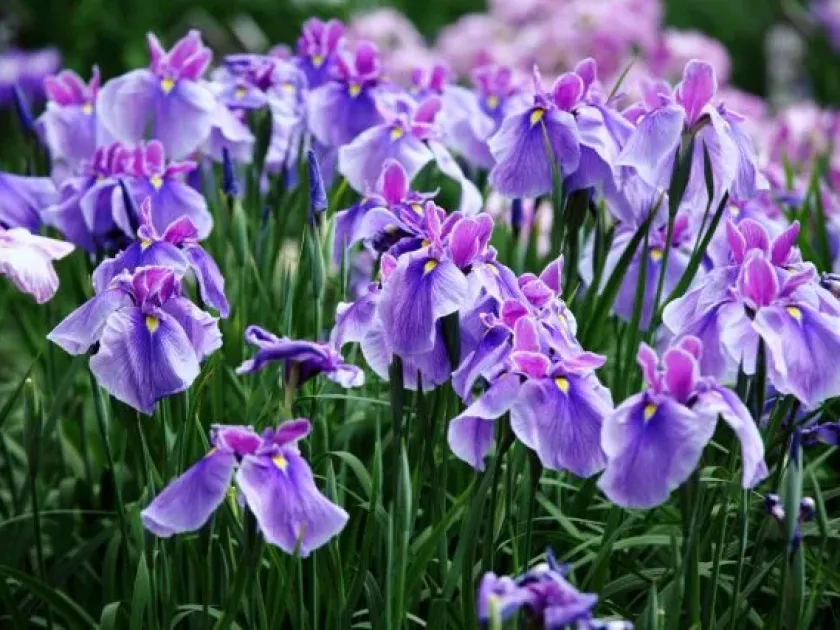
Description
Sowing dates
The hybrid iris (Iris hybrids) belongs to the Iridaceae family and represents a vast group of cultivars developed for superior aesthetic traits.
Propagation of this crop is primarily achieved through rhizome division, which ensures the genetic consistency of the selected hybrid cultivar.
The optimal time for planting or dividing irises is the period of dormancy immediately following their bloom cycle, typically late summer.
Establishing the plants during this period allows the root system to recover and grow sufficiently before the winter dormant phase begins.
Late spring planting is possible, although it often inhibits flowering for the first year as the plant focuses exclusively on vegetative development.
Growing requirements
Hybrid irises demand full sun exposure to flourish; shaded environments generally result in poor flowering and increased susceptibility to pests.
The soil must be well-draining, as the rhizomes are prone to rot if subjected to constant saturation or waterlogged conditions.
A neutral to slightly acidic soil pH is ideal for nutrient uptake and long-term vitality of the iris plantings in agricultural beds.
Standard agrotechnical practices include maintaining moderate irrigation and applying a balanced, slow-release fertilizer during the active growing season.
Proper spacing between plants is essential to ensure adequate airflow, which is a key factor in reducing humidity-related diseases.
Main diseases and pests
Soft rot, a bacterial infection affecting the rhizomes, is the most common threat, often linked to excessive moisture and nitrogen-rich soil.
Fungal diseases like leaf spot and rust are prevalent in humid conditions and can significantly reduce the vigor of the plant foliage.
The iris borer is a significant pest, as its larvae burrow into the rhizomes, causing extensive damage and providing pathways for rot.
Soil-borne insects such as wireworms can also damage the root system, weakening the plant and lowering the quality of the blooms.
Integrated pest management strategies involve seasonal sanitation, the use of fungicides, and avoiding overcrowding in planting rows.
Harvesting
The primary utility of the hybrid iris lies in ornamental landscape design, commercial cut-flower production, and home gardening.
For cut flowers, stalks are harvested at the tight bud stage, when the color is clearly visible but before the petals begin to unfurl.
After harvesting or the end of the blooming season, the foliage should be trimmed back to maintain plant health and prevent winter rot.
Harvesting rhizomes for commercial distribution involves digging, cleaning, and carefully drying the material to prevent post-harvest spoilage.
Quality management during the post-harvest phase ensures that the bulbs remain healthy and viable for customers during the next planting season.