
Iris atrofusca
Iris atrofusca
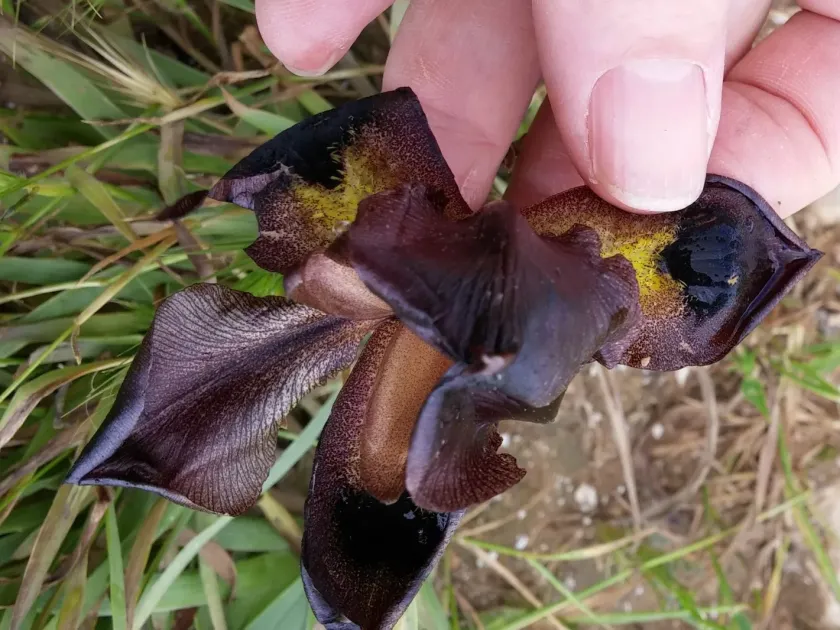
Description
Growing requirements
Iris atrofusca is a rare perennial plant belonging to the Iridaceae family. Native to the arid and semi-desert regions of Jordan, it is highly valued for its striking dark flowers and unique adaptation to harsh, rocky environments.
The plant thrives in full sun conditions. Providing maximum solar exposure is essential for the healthy development of its rhizomes and the induction of flowering. Any shading will negatively affect the plant's structural integrity and reproductive potential.
Regarding soil requirements, Iris atrofusca demands excellent drainage. In its natural habitat, it grows in stony, limestone-rich soils. In cultivation, incorporating coarse sand or small gravel into the planting medium is necessary to prevent water retention.
Climatic requirements are specific to a Mediterranean-like cycle. The plant requires a hot, dry summer dormancy period where the foliage dies back completely. During this time, the soil must remain dry to prevent the decay of the underground parts.
Successful cultivation involves avoiding waterlogging during the winter growing season. If the local climate is prone to high rainfall, planting on slopes or elevated raised beds is recommended to improve water runoff and ensure aeration.
Main diseases and pests
The most significant threat to Iris atrofusca is fungal rot, specifically impacting the rhizome system. This is primarily caused by poor soil drainage and excessive moisture levels, especially during periods of dormancy or low temperatures.
Pests such as iris borers can cause physical damage to the leaves and stems. Implementing integrated pest management strategies, including regular inspections, is vital to maintaining the health of the collection.
Slugs and snails pose a threat to young, emerging shoots during the early stages of the growing season. Protective measures like copper barriers or organic baits are often employed to mitigate this risk in garden environments.
Root-knot nematodes can also affect the vigor of the plant. Maintaining optimal soil health and avoiding the introduction of infected plant material are key components of the disease management strategy for this species.
Environmental stress, such as unseasonable temperature fluctuations, can further weaken the plant's resistance. Ensuring that the plant remains in its preferred dry summer state is the primary defense against almost all pathological threats.