
Illyrian gladiolus
Gladiolus illyricus
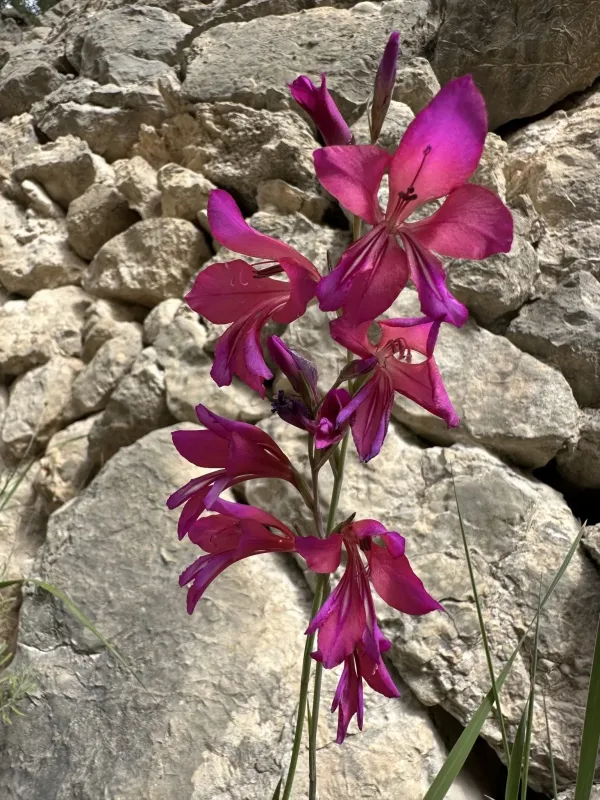
Description
Growing requirements
The Illyrian gladiolus (Gladiolus illyricus) is a perennial flowering plant belonging to the Iridaceae family. It is native to the Mediterranean region, extending across parts of Western Europe, including the British Isles, and into Western Asia.
This species is characterized by its slender, elegant habit, reaching heights of up to 60-80 cm. Unlike larger hybrid varieties, the Illyrian gladiolus displays smaller, more delicate purplish-pink flowers arranged in a loose, one-sided spike.
Cultivation requires sites with full sun exposure and well-draining soil. This plant is well-adapted to rocky, calcareous substrates in its natural habitat, which necessitates excellent soil drainage to prevent root rot in a garden setting.
Agrotechnical practices involve providing moderate hydration during the active growth phase and ensuring the soil remains light and airy. Regular weeding is essential to reduce competition for nutrients, as the species does not tolerate dense competition from weeds.
In terms of climate, the plant thrives in areas with mild winters. In colder regions, gardeners are advised to mulch the base of the plant heavily or lift the corms in late autumn to prevent freezing, ensuring they are stored in a dry, cool place until spring.
Main diseases and pests
The primary diseases affecting Gladiolus illyricus include Fusarium wilt and dry rot, which can destroy the corm tissues. To mitigate these risks, it is essential to source disease-free stock and treat corms with appropriate fungicidal solutions prior to planting.
Common pests such as thrips and wireworms pose a significant threat to plant health. Thrips attack the foliage and flower buds, causing discoloration, while wireworms feed on the subterranean corm. Integrated pest management, including regular monitoring and spot application of insecticides, is recommended.