
Homeria
Homeria
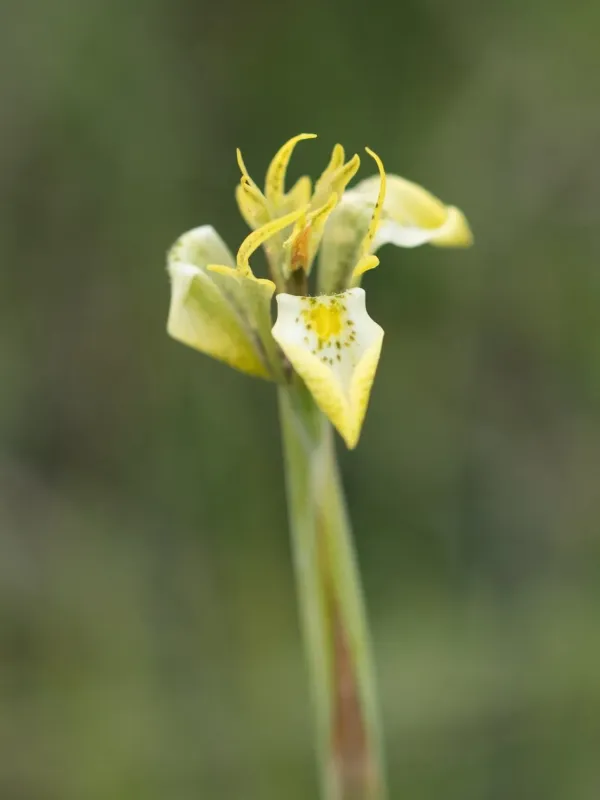
Description
Growing requirements
Homeria is a genus of bulbous perennial plants belonging to the Iridaceae family. Native primarily to South Africa, these plants have evolved to thrive in regions with distinct seasonal changes in moisture, which dictates their specific horticultural needs.
The plant requires full sun exposure to flourish and produce high-quality blooms. Providing a location with maximum sunlight is essential for the healthy development of foliage and the proper accumulation of energy in the bulb for the following growth cycle.
Well-drained soil is a critical requirement for Homeria cultivation. Due to the high susceptibility of the bulbs to fungal rot, incorporating coarse sand or gravel into the planting medium is highly recommended to prevent waterlogging around the root zone.
The climate requirements for Homeria include warm conditions during the active growing season. As they are not frost-hardy, they should be treated as tender perennials in many temperate regions, often requiring protection or indoor storage during winter months.
Water management is the cornerstone of successful Homeria care. Regular irrigation is necessary while the plant is actively growing and flowering, but once the leaves begin to yellow, all water must be withheld to allow the bulb to enter its essential dormant phase.
Main diseases and pests
The most significant threat to Homeria is fungal infection, particularly root and bulb rot caused by excessive soil moisture. Proper drainage and site selection are the primary defenses against these pathogens.
Spider mites are a common pest, especially in hot and dry environments. They feed on the sap of the leaves, leading to chlorosis and potential plant decline if left unaddressed by appropriate acaricide applications.
Thrips can also infest the flowers and foliage, causing unsightly streaking and damage to the blooms. Consistent monitoring during the flowering stage allows for early intervention using horticultural oils or systemic insecticides.
Bulb flies can be devastating to the underground portions of the plant. The larvae bore into the bulb, which not only destroys the plant’s nutrient store but also introduces secondary bacterial infections that lead to rapid decay.
Integrated pest management strategies, such as crop rotation and the use of healthy, sanitized bulbs, are vital for long-term success. Avoiding overhead watering can also significantly reduce the incidence of both fungal diseases and pest proliferation.