
Bearded iris
Iris x barbata hort
Description
Sowing dates
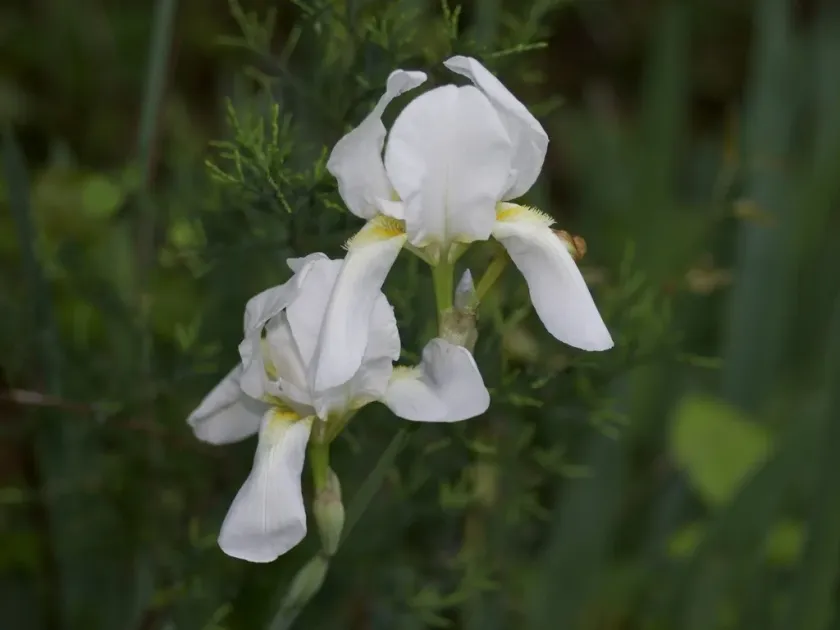
The bearded iris (Iris x barbata) is a rhizomatous perennial belonging to the Iridaceae family. In agricultural and horticultural practice, it is primarily propagated by dividing the rhizomes.
The best time to divide and replant bearded irises is immediately after the flowering period, when the plant begins to initiate new vegetative growth cycles.
In temperate climates, planting can occur in late summer or early autumn, provided there is enough time for the root system to establish itself before the first ground frost.
Proper planting depth is essential: the upper part of the rhizome should remain level with the soil surface or slightly exposed to sunlight to prevent rot.
Once established, a clump of irises can grow and flower effectively for 4–6 years before it becomes overcrowded and requires division to maintain vigor.
Growing requirements
Bearded irises require full sun exposure to thrive; even partial shade can significantly reduce the quantity and quality of flower production throughout the season.
They prefer well-drained, fertile loamy soil with a neutral to slightly alkaline pH. Drainage is a critical factor for the long-term health of the rhizomes.
The plant is highly susceptible to waterlogged conditions, which can lead to bacterial soft rot. On heavier soils, it is recommended to plant on raised beds.
Irrigation should be moderate during the growing season; it is essential to avoid watering the rhizome directly to keep it dry and prevent fungal infections.
Fertilization with balanced NPK ratios is beneficial, but nitrogen levels should be reduced after the blooming phase to encourage rhizome hardening rather than excessive foliage.
Main diseases and pests
Bacterial soft rot is the most serious threat to bearded irises, often triggered by excessive moisture and poor air circulation around the root zone.
Leaf spot, caused by various fungi, may affect the foliage during humid summers, leading to premature yellowing and reduced photosynthetic efficiency.
Iris borers are the primary insect pests; their larvae tunnel into the rhizomes, weakening the plant and creating entry points for secondary bacterial infections.
Integrated pest management strategies involve removing and destroying infested plant parts, ensuring proper spacing, and applying approved fungicides or insecticides.
Good sanitation practices, such as cleaning up plant debris in the fall, are vital to reducing the survival rates of overwintering pests and pathogens.
Harvesting
Bearded irises are primarily cultivated for landscape design, commercial cut flower production, and use in the perfume and pharmaceutical industries.
For cut flowers, stalks should be harvested when the first bloom is showing color but has not yet fully opened to ensure longevity in a vase.
The rhizomes of certain varieties, often called orris root, are harvested for their aromatic compounds used in cosmetics and fragrances.
In preparation for winter, the foliage should be trimmed back to about 10–15 cm in height after the first hard frost to clean the beds and remove old growth.
Successful management of iris plantations relies on periodic thinning and the removal of spent flower stalks to redirect energy back into the rhizome for the next season.