
Iris bostrensis
Iris bostrensis
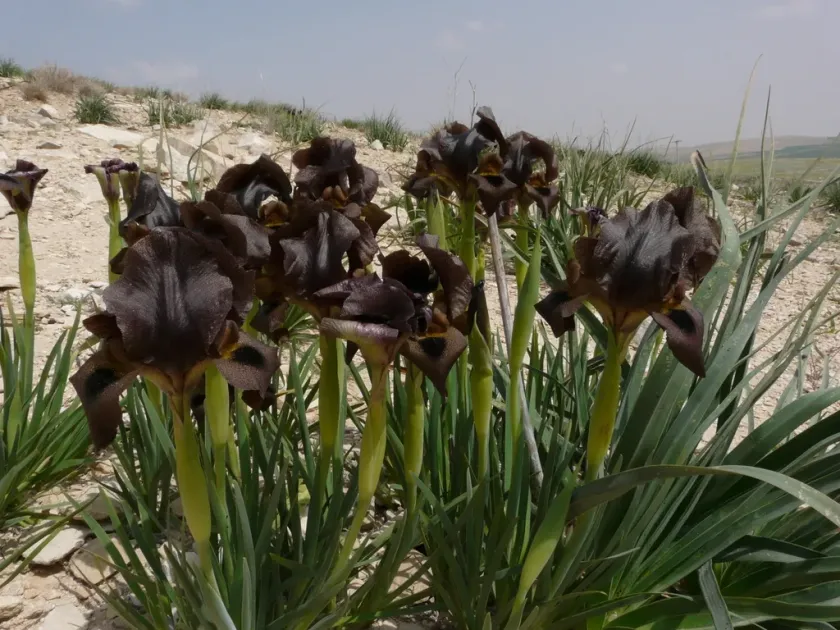
Description
Growing requirements
Iris bostrensis is a herbaceous perennial belonging to the Iridaceae family, renowned for its unique biological adaptation to arid mountain habitats. It is a rare species primarily found in the rocky regions of Syria and surrounding areas.
The plant has evolved to thrive in soils that are naturally rocky or sandy, characterized by excellent drainage and a neutral to slightly alkaline pH level. Ensuring that the substrate does not retain excessive water is critical for its survival.
Exposure to full, direct sunlight is essential for the healthy development of this iris species. Any shade or overcrowding by competing plants will significantly inhibit its blooming potential and overall vigor.
Climatically, it prefers regions with distinct seasons, including hot, dry summers that mimic its native habitat conditions. During the winter, the plant requires protection from freezing temperatures combined with excessive ground humidity.
Botanically, the plant features a robust rhizome system designed to store nutrients and moisture, which allows it to remain dormant during the most stressful periods of the summer drought.
Main diseases and pests
The primary threat to the health of Iris bostrensis is fungal decay, specifically root rot, which is almost always the result of overwatering or poor soil drainage conditions.
Leaf spot diseases, caused by various pathogens, frequently occur when air circulation is insufficient, leading to weakened plants and poor aesthetic quality for ornamental use.
Insect pests, such as iris borers or flower-damaging flies, can significantly reduce the vitality of the plant by feeding on the internal tissues of the stems or developing flower buds.
Rodents may pose a danger to the rhizomes during the dormancy phase, as they seek out moisture and nutrients stored within the underground organs of the plant.
Effective management strategies involve a combination of dry-culture techniques, the use of preventative fungicides, and maintaining strict hygiene in the flower bed to avoid disease transmission.