
Iris laevigata
Iris laevigata Fisch.
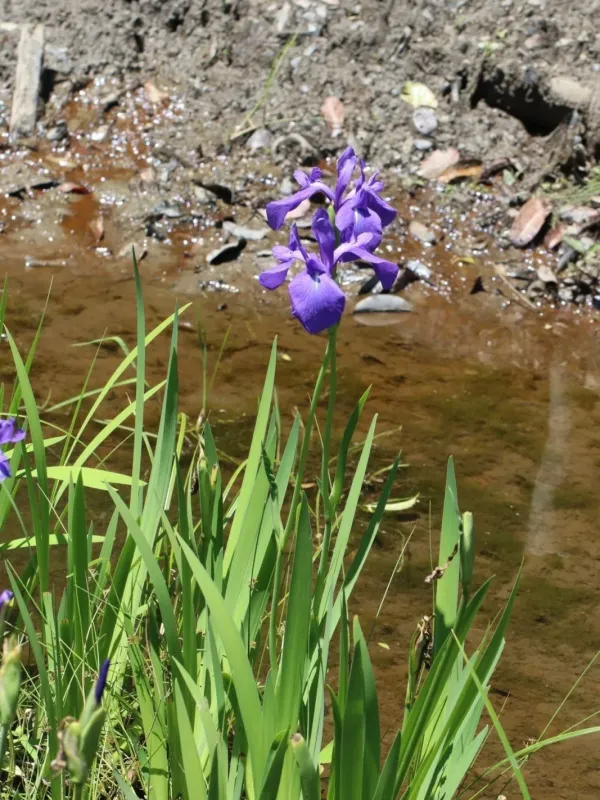
Description
Sowing dates
Iris laevigata, commonly known as the Japanese water iris, belongs to the Iridaceae family. This perennial species is native to East Asia, specifically thriving in wetland habitats, marshy meadows, and along the banks of slow-moving water bodies.
In agricultural and landscaping practice, vegetative propagation via rhizome division is the standard method. This approach ensures the maintenance of specific genetic traits and provides a faster establishment compared to seed sowing.
Seed propagation is typically reserved for breeding or large-scale restoration projects. The seeds require cold stratification, making late autumn the ideal time for sowing in moisture-retentive, organic-rich nursery soil.
When sowing, seeds should be covered lightly with a thin layer of substrate. Maintaining constant humidity is critical during the germination phase, as the seeds of Iris laevigata are highly sensitive to desiccation.
Once seedlings have developed a strong root system, they can be transplanted into their permanent aquatic or wet-soil environments. Proper spacing should be maintained to allow for rhizome spread.
Growing requirements
The primary agronomic requirement for Iris laevigata is constant moisture. Unlike many garden iris species, this plant is an obligate hydrophyte capable of growing in water depths up to 20 centimeters throughout the growing season.
The soil profile must be acidic to neutral. High levels of calcium or alkaline soil conditions should be avoided, as these cause severe chlorosis and growth suppression due to nutrient lockout.
Full sun exposure is necessary for optimal flowering and robust vegetative growth. While the plant can tolerate partial shade, insufficient light levels will significantly reduce the number of blossoms produced annually.
The species is well-adapted to cool temperate climates, demonstrating excellent winter hardiness. In regions with harsh winters, the submergence of rhizomes under water or mulch provides protection against deep frost penetration.
Management of water quality is also essential; while the plant thrives in static water, avoiding stagnant conditions that promote excessive algal growth or pathogen buildup is recommended for long-term health.
Main diseases and pests
The iris fly is the most significant insect pest for this species. Its larvae infest the developing flower buds, often rendering them unable to bloom and causing premature bud drop, which severely impacts the plant's aesthetic utility.
Aphids and thrips frequently colonize the foliage during warm periods. These pests feed on plant sap, leading to stunted leaf development, chlorosis, and the transmission of secondary viral infections.
Rhizome rot, caused by various soil-borne bacteria, is a critical threat. It is most prevalent in environments with warm, stagnant water and poor oxygenation, which stresses the plant's vascular tissues.
Fungal diseases, including leaf spot, may occur when air circulation is poor or humidity remains excessively high for extended periods. Pruning affected foliage and improving ventilation are primary control measures.
Integrated pest management (IPM) protocols, including the use of targeted insecticides and biological control agents, are recommended to protect the plants while minimizing environmental impact.