
Iris reticulata
Iris reticulata M. Bieb.
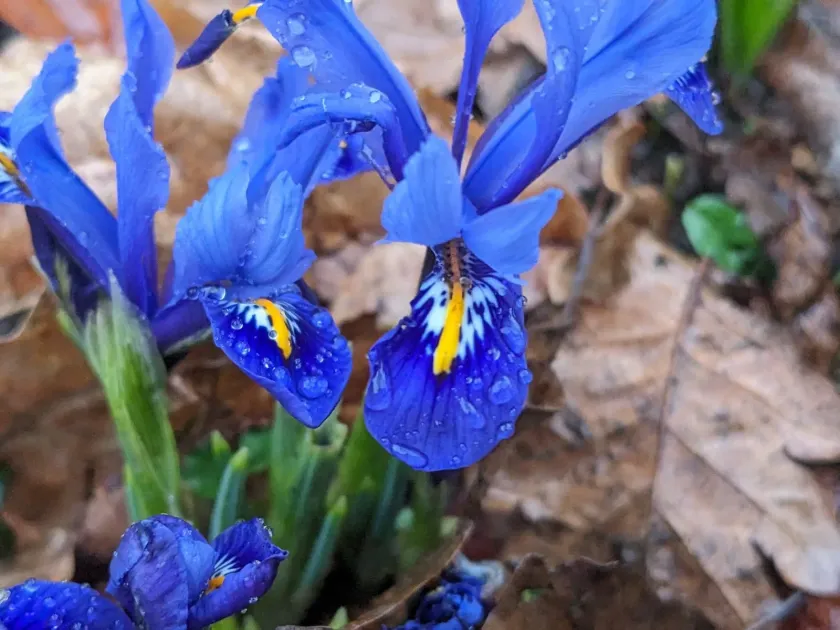
Description
Sowing dates
Planting of Iris reticulata bulbs should be carried out in the autumn, typically during September or October. This timing allows the bulbs to establish a healthy root system before the onset of winter freezing temperatures.
The ideal planting depth is between 7 and 10 centimeters, depending on the bulb size and soil type. Planting too shallow may expose bulbs to frost heave, while planting too deep can delay emergence and flowering in the spring.
When planting in groups, maintain a spacing of approximately 8–10 centimeters between bulbs. This density allows for optimal growth and creates an aesthetically pleasing, lush display when the flowers bloom early in the season.
In regions with harsh winters, covering the soil surface with a layer of mulch, such as dry leaves or peat, is highly recommended. This provides insulation and helps to maintain a consistent soil temperature, protecting the emerging shoots.
After the foliage has yellowed and withered in early summer, it is advisable to lift the bulbs for cleaning and storage. Proper drying in a shaded, well-ventilated area ensures the bulbs mature correctly and remain free from rot.
Growing requirements
Iris reticulata, belonging to the Iridaceae family, is a small, bulbous perennial native to the mountainous regions of the Caucasus, Turkey, and Iran. It is prized for its cold hardiness and early arrival in the garden.
The plant thrives in full sunlight, which is crucial for both bloom development and bulb maturation. Lack of adequate light will often lead to weak, elongated foliage and poor flower production in subsequent years.
Soil requirements are strict: the medium must be well-drained and gritty. These irises cannot tolerate "wet feet" during their dormant period, as the bulbs are highly susceptible to rotting if moisture levels remain high.
A neutral to slightly alkaline pH is ideal. If the native soil is heavy or prone to waterlogging, it should be amended with organic matter and coarse sand to improve drainage and aeration around the root zone.
Water management is simple but essential. Plants need consistent moisture during their active spring growth but require a dry, warm period in the summer to enter dormancy. Drought-like conditions after flowering are actually beneficial.
Main diseases and pests
The primary threats to Iris reticulata are fungal diseases, most notably ink disease and bulb rot. These pathogens thrive in stagnant, wet soil conditions, often causing the leaves to die back prematurely and the bulbs to decompose.
Pests such as bulb mites and aphids can also impact plant health, potentially spreading viruses. Regular monitoring of the foliage for discoloration or distorted growth is key to identifying infestations early.
Rodents, particularly mice and voles, consider these bulbs a delicacy during the winter months. Using wire mesh containers when planting can provide an effective barrier against such subterranean foragers.
Viral infections, which manifest as mosaic patterns or streaks on the leaves, are incurable. Any plant suspected of harboring a viral infection should be removed and disposed of to prevent the spread to healthy neighboring bulbs.
Preventative measures, such as treating bulbs with a systemic fungicide before planting, significantly reduce the risk of soil-borne diseases. Ensuring good air circulation and avoiding overly crowded planting sites are also essential.