
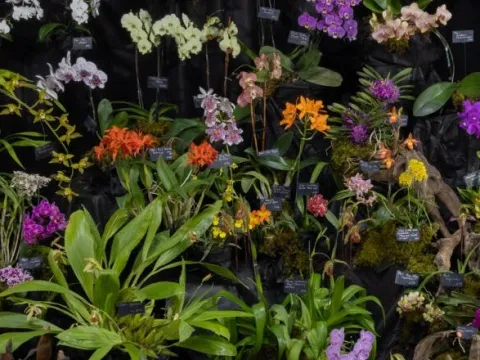
Laeliocatonia
Laeliocatonia
Laeliocatonia is a fascinating intergeneric hybrid belonging to the Orchidaceae family, originating from the cross-breeding of Laelia, Cattleya, and Broughtonia. This orchid is prized by collectors for its moderate size, ease of maintenance, and vibrant, long-lasting flowers that reflect the best traits of its parent genera.
What the section contains
Laeliocatonia
In terms of habitat, this hybrid mimics the environmental needs of its tropical ancestors found in the Americas. It thrives best in bright, filtered light conditions, which promotes healthy development of pseudobulbs and ensures optimal energy for the plant to produce its decorative inflorescences.
The agricultural requirements for Laeliocatonia involve a well-draining epiphytic substrate, typically composed of pine bark, charcoal, and perlite. Proper aeration of the root system is essential, as the roots are sensitive to waterlogging and decay if the medium remains damp for too long.
Temperature control is a critical aspect of successful cultivation; the plant prefers a temperate climate with a consistent drop in temperature during the night. This diurnal variation is vital for the physiological metabolism of the orchid, helping it transition between growth and flowering phases effectively.
Watering should be managed carefully, ensuring the substrate dries out between sessions. High humidity, typically ranging from 60% to 80%, combined with regular fertilization during the active growing season, will significantly improve the overall vigor and blooming potential of the Laeliocatonia.
The most common pests affecting Laeliocatonia are spider mites, scale insects, and mealybugs. These pests thrive in dry environments and can be mitigated by maintaining proper air circulation and inspecting the plant regularly for early signs of infestation.
Pathogenic threats include various forms of root and stem rot, often triggered by overwatering or poor ventilation within the growing area. Preventive care involves utilizing sterilized tools during any pruning and ensuring the substrate allows for efficient drainage after every irrigation cycle.