
Iris histrioides
Iris histrioides (G. F. Wilson) S. Arn.
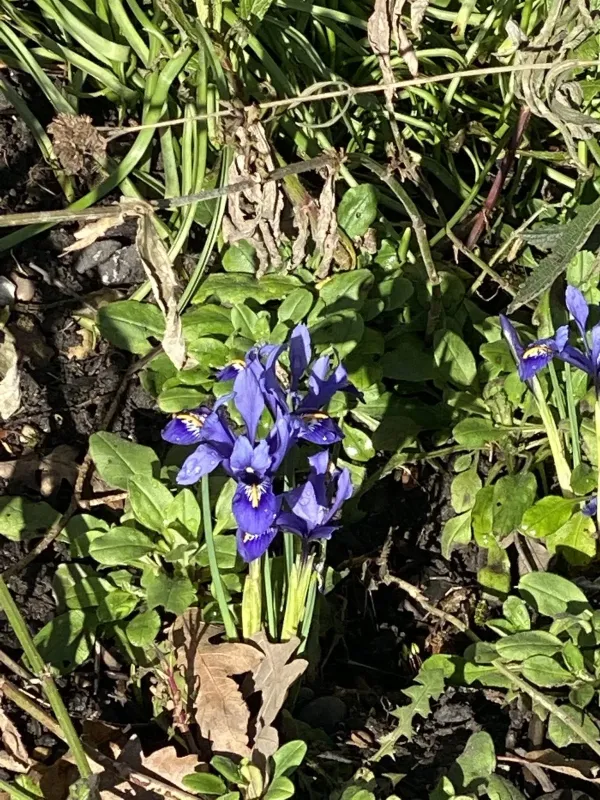
Description
Sowing dates
The planting of Iris histrioides bulbs should be carried out in early to mid-autumn, specifically between September and October, to allow root establishment before winter.
Ensuring the soil temperature has dropped significantly is essential to avoid premature foliage emergence, which could be damaged by unexpected autumn frosts.
Bulbs are typically buried at a depth of 8–10 cm, depending on the structure of the soil, ensuring they are placed in a free-draining medium to prevent rot.
Spacing between bulbs should be kept around 10 cm, which allows sufficient airflow and prevents overcrowding as the bulbs naturally multiply over the years.
When selecting a site, prioritize areas where the ground remains dry during late spring and summer, as these bulbs require a dormant, dry period after blooming.
Growing requirements
Iris histrioides is a member of the Iridaceae family, originating from the high-altitude, rocky slopes of Turkey, which dictates its specific environmental needs.
The soil must be gritty and extremely well-drained, as the species is highly susceptible to fungal infections if the bulb stays wet during its dormancy.
Full sun exposure is a requirement for successful cultivation, as it provides the necessary heat to ripen the bulbs during the summer months.
This species thrives in neutral or slightly alkaline soils; adding organic matter such as leaf mold can improve soil structure if drainage is already sufficient.
During the active growth cycle, which starts very early in the year, the plants benefit from consistent moisture, but the site must be protected from standing water.
Main diseases and pests
The primary concern for Iris histrioides is bulb rot caused by various soil-borne fungi, which is almost always linked to poor drainage or overly wet summer conditions.
Common garden pests such as slugs and snails are highly attracted to the emerging succulent foliage, and they can cause significant damage in early spring.
Aphids and thrips can also impact plant vigor by feeding on the sap, which might lead to stunted growth or poor flowering performance in the subsequent season.
To mitigate disease risks, always source healthy bulbs and avoid planting in areas where other irises have recently suffered from rot or bacterial infections.
Viral infections can cause unsightly color breaking in the petals and foliage mottling; unfortunately, such plants are incurable and should be removed promptly.