
Dutch iris
Iris xiphium L.
Description
Sowing dates
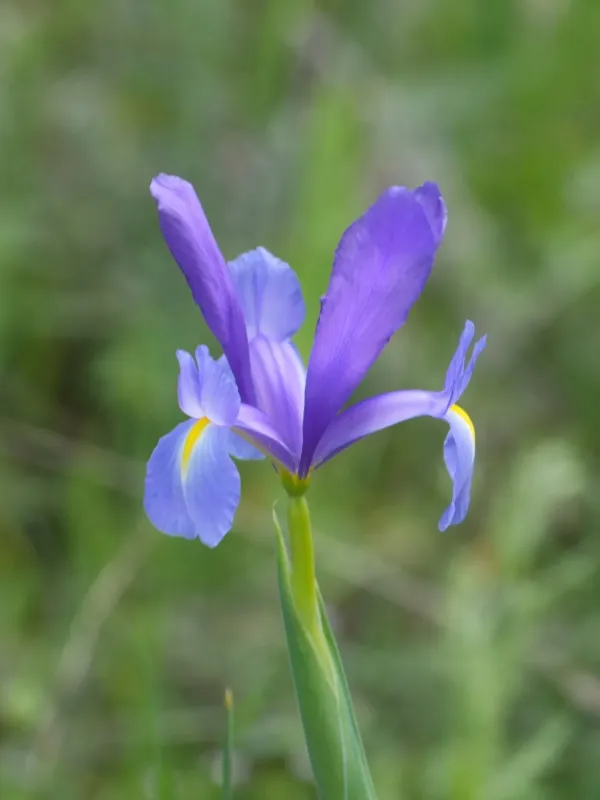
Dutch iris is a bulbous plant species of the Iridaceae family, developed through the breeding of Iris xiphium. Planting in open ground is typically carried out in autumn when soil temperatures drop to around 10 degrees Celsius.
In regions with harsh winters, planting may be delayed until early spring, though this may shift the flowering period. Selecting high-quality, disease-free bulbs is crucial for successful establishment.
The planting depth usually ranges from 10 to 15 centimeters, depending on soil texture. On light, sandy soils, deeper planting is preferred, whereas heavier loams require shallower placement.
Spacing between plants should be maintained at 10-15 centimeters to ensure adequate ventilation. This practice is essential for preventing stagnant moisture around the roots, which minimizes the risk of rot.
Applying mulch after autumn planting helps protect the bulbs from sudden temperature fluctuations and prevents frost damage in areas with little to no snow cover.
Growing requirements
The Dutch iris requires full sun to produce healthy flower stalks; shaded areas typically lead to weak growth and failure to bloom. Consistent light is the primary factor for development.
Soil must be light, well-drained, and rich in organic matter. Waterlogging is detrimental to the bulbs and quickly leads to rot, making effective drainage systems a necessity for cultivation.
An optimal pH level for this crop ranges from slightly acidic to neutral (6.5–7.0). Heavily acidic soils should be treated with lime prior to planting to ensure proper nutrient availability.
Excessive nitrogen fertilization should be avoided as it encourages vegetative growth at the expense of flower development. Phosphorous-potassium fertilizers are recommended during the budding stage.
Moderate but regular irrigation is required during the growing season. In dry climates, moisture deficiency can lead to early leaf yellowing and a shortened vegetative period.
Yield
Yield, in the context of commercial cut flower production, is measured by the number and quality of flower stalks. Properly maintained plants can produce one to two vigorous stems each.
The production of daughter bulbs depends on proper nutrition and post-bloom care. Providing adequate fertilization in late summer significantly improves bulb multiplication for the next season.
Removing spent blossoms is an essential management task that redirects energy from seed production back to the bulb, ensuring it remains vigorous for the following year.
Commercial growers typically lift the bulbs annually after the foliage has died back. This practice prevents overcrowding and helps manage the build-up of soil-borne pathogens.
Proper storage conditions in a dry, ventilated area are critical to maintaining bulb viability and ensuring high flowering rates in the upcoming production cycle.
Main diseases and pests
Fungal diseases, such as Fusarium wilt and bacterial rot, pose the greatest threat to Dutch iris. These conditions are heavily influenced by excessive soil moisture and poor drainage.
Leaf spot is a common issue that can reduce the ornamental value of the plants. Systemic fungicides are effective for control if applied when the first symptoms are detected.
Pests such as bulb nematodes and thrips can cause significant damage to foliage and bulb scales. Pre-planting bulb treatments are recommended as a preventative measure.
- Fusarium wilt (darkening of the basal plate).
- Bacterial soft rot (softening of bulb tissues).
- Bulb mites (root and scale damage).
Crop rotation is a fundamental protective measure; Dutch irises should not be replanted in the same soil for at least 3-4 years to interrupt the life cycles of specific soil-borne pests.
Harvesting
Flower harvesting is performed at the bud stage, just as the petals begin to unfurl. This ensures the longest possible vase life and better handling for transportation.
Bulb harvesting for storage begins after the foliage has naturally turned yellow and withered. This usually occurs in mid-summer when the plant enters its dormancy phase.
After lifting, bulbs must be cleaned of soil and dried thoroughly in a shaded, well-ventilated area. Direct sunlight should be avoided to prevent tissue damage and premature drying.
Sorting bulbs by size is an essential step before storage, as it allows for better standardization of planting density and bloom timing for the subsequent season.
Storage must take place in dark, cool, and well-ventilated boxes. Temperature fluctuations during storage can lead to the formation of "blind" shoots that fail to produce flowers.