
Bristled iris
Iris setosa Pall. ex Link
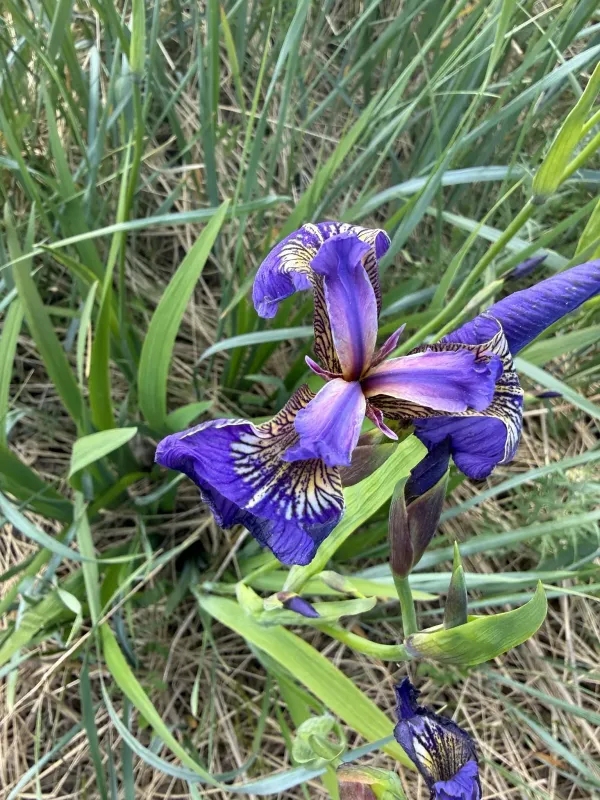
Description
Sowing dates
Seeds of the Bristled iris should ideally be sown in the autumn to ensure they undergo the natural stratification process necessary for successful germination.
In cases of spring sowing, it is essential to keep the seeds in cold storage for several weeks to break dormancy and ensure a uniform seedling emergence.
The seeds should be planted at a shallow depth of approximately 1 to 2 centimeters to prevent rot while ensuring consistent moisture levels in the surrounding soil.
Vegetative propagation is widely practiced in professional nurseries, involving the division of rhizomes during the dormant period to ensure true-to-type growth.
Division is best performed every few years to maintain plant vigor, prevent central clump rot, and encourage a more prolific display of flowers each season.
Growing requirements
The Bristled iris, a member of the Iridaceae family, is renowned for its exceptional cold tolerance, making it an ideal choice for northern climates and wet environments.
This species thrives in consistently moist, well-draining soil and is uniquely adapted to thrive along riverbanks, pond margins, and areas with high water tables.
A fertile, loamy soil with a neutral to slightly acidic pH provides the best nutritional environment for developing robust root systems and vibrant foliage.
Full sun exposure is critical for this species; plants grown in shaded areas often show reduced flowering potential and may develop thin, weak stems.
Regular irrigation is vital throughout the growing season, especially during hot, dry spells, to prevent the foliage from wilting and to support flower bud development.
Main diseases and pests
Bacterial soft rot of the rhizome is a significant concern, especially in waterlogged conditions where aeration in the root zone is severely restricted.
Foliar diseases such as heterosporium leaf spot can occur during humid weather, causing unsightly brown lesions that may compromise the plant's overall health.
Common insect pests include the iris borer and various moth larvae, which can penetrate the stems and damage the reproductive structures of the plant.
Sanitation is key to disease prevention; removing dead foliage and debris in late autumn helps reduce the survival rate of spores and overwintering pests.
Preventive maintenance, including the application of fungicides during damp spring periods, significantly reduces the likelihood of severe pathogen outbreaks.