
Iris acutiloba
Iris acutiloba
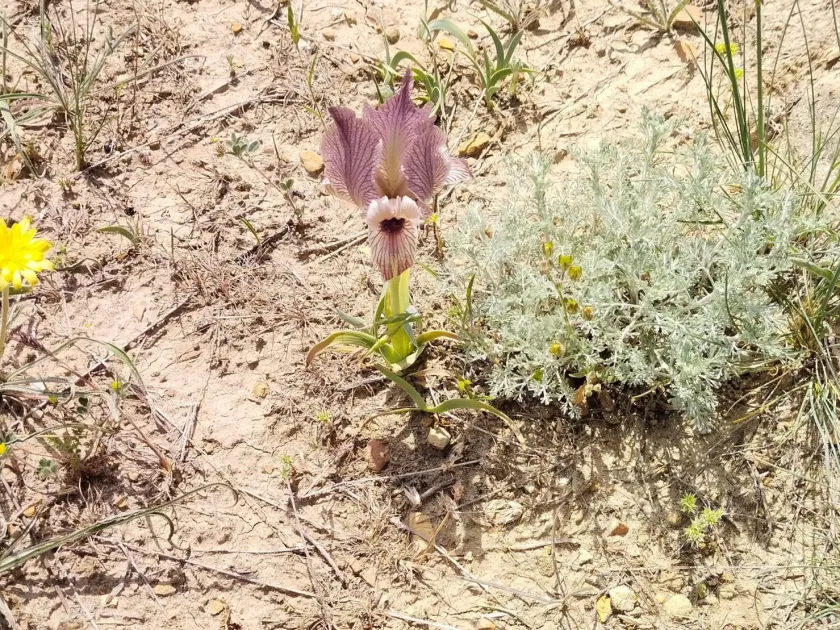
Description
Sowing dates
Seeds of Iris acutiloba should be sown in late autumn to mimic natural dormancy breaking conditions. Sowing in outdoor seedbeds or pots with excellent drainage allows the seeds to benefit from winter chilling.
The germination period usually spans from early spring to mid-spring, depending on the ambient temperature. It is crucial to maintain a weed-free environment around the seedlings during their first growing season to prevent competition.
For container-grown seedlings, a substrate composed of a mix of grit, sand, and lean compost is recommended. High drainage capacity is the most important factor to prevent damping-off diseases during the early stages.
Vegetative propagation is typically performed by dividing the rhizomes during the dormant phase. The best time for this is after the foliage starts to dry out, typically in late summer or early autumn.
When replanting, ensure that the rhizome is placed just below the surface level to allow the sun to warm it properly. Proper placement is essential for preventing root rot and ensuring long-term plant health.
Growing requirements
Iris acutiloba belongs to the Iridaceae family and thrives in environments that offer high light intensity and low humidity. It is perfectly adapted to arid, rocky slopes and requires very specific growing conditions.
The soil must be alkaline or neutral, well-draining, and low in nitrogenous organic matter. Heavy or damp soils are unsuitable and will almost inevitably lead to the death of the plant due to root suffocation.
Climatic requirements involve a hot, dry summer period followed by a relatively cool and moist winter. Protecting the plant from excessive rain during the dormant winter phase is critical for successful cultivation.
The plant is best suited for rock gardens, scree beds, or specialised bulb frames where the gardener can precisely control the moisture content. Excessive watering during the growth phase should be strictly avoided.
Maintenance is minimal but essential, focusing on keeping the surrounding area free of encroaching vegetation. Occasional weeding and top-dressing with clean gravel help to replicate the natural habitat of this species.
Main diseases and pests
Bacterial soft rot is the primary threat to this species, usually triggered by poor drainage or injury to the rhizome. Infected parts must be carefully excised using sterile tools to save the plant.
Insect pests such as aphids and thrips can cause significant damage to the developing foliage and flower stalks. Timely intervention with appropriate insecticides is recommended if pest pressure becomes noticeable.
Fungal diseases like leaf spot may occur, especially if the air circulation around the plants is inadequate. Improving ventilation and maintaining dry conditions around the foliage effectively reduces these risks.
Nematode infestations can lead to stunted growth and deformities in the leaves and rhizomes. Preventing the introduction of pests through infested soil or plant material is the primary management strategy.
Excessive moisture is the underlying cause of most health issues in Iris acutiloba. Maintaining a strict drought-tolerant regimen is the best preventive measure against the majority of biological threats to this plant.