
Iris barnumiae
Iris barnumiae
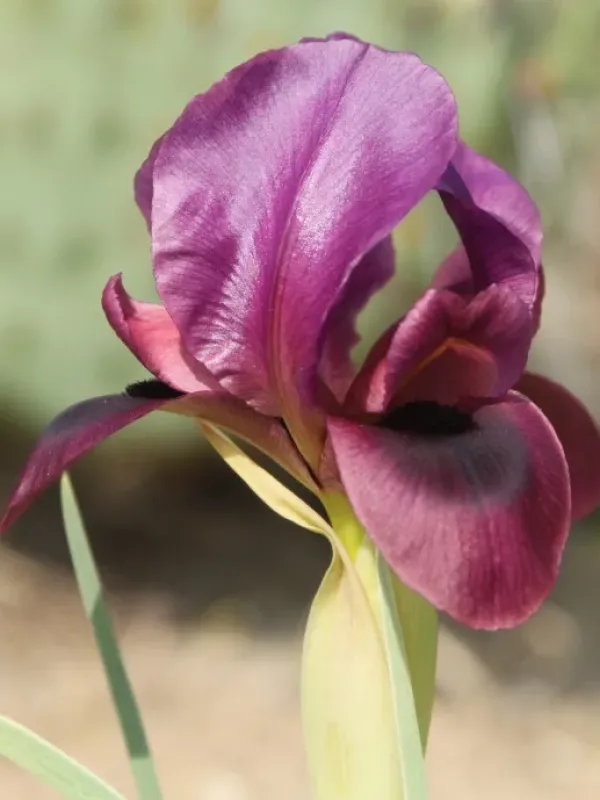
Description
Growing requirements
Iris barnumiae belongs to the Iridaceae family and is a member of the Oncocyclus section, which is highly regarded by botanists and collectors for its distinctive, intricately patterned flowers. The plant is a perennial geophyte growing from bulbs.
Its native habitat comprises the rocky slopes and mountain ridges of Turkey, Iran, and Iraq. The plant is xerophytic, adapted to survive in areas with extreme temperature fluctuations and defined wet and dry seasons.
Successful cultivation requires very well-draining, gravelly, or sandy soils. The pH level should be neutral to slightly alkaline, mimicking the limestone-rich soils found in its natural mountain distribution area.
Full sun exposure is crucial for the development of robust flowering stems. In temperate climates, Iris barnumiae is often grown in containers or raised beds covered with glass to simulate the dry heat necessary for the dormant period in summer.
The agricultural practice for this species focuses on managing the dormant cycle. Watering should be strictly limited after the flowering phase to prevent rot, while providing sufficient moisture only during the early spring growth stage.
Main diseases and pests
The primary threat to Iris barnumiae is fungal infection, particularly during the summer dormancy if the soil remains moist. Fusarium rot is a significant risk that can destroy the bulb crown in a very short time.
Under greenhouse conditions, aphids and spider mites are common pests that feed on the foliage and flower buds. Regular monitoring and integrated pest management are recommended to maintain plant vitality.
Bacterial soft rot can occur if there is improper air circulation or if the bulbs are mechanically damaged during planting. Hygiene during the handling of bulbs and the use of copper-based fungicides are standard protective measures.
Slugs and snails are major pests that target emerging shoots in spring. Physical barriers and baits are effective ways to protect young plants during their most vulnerable growth phase.
To ensure long-term survival, it is advised to replace the growing substrate periodically and avoid over-fertilization with nitrogen, which makes the plant tissue more susceptible to fungal invasions and rot.