
Hoogiana iris
Iris hoogiana
Description
Growing requirements
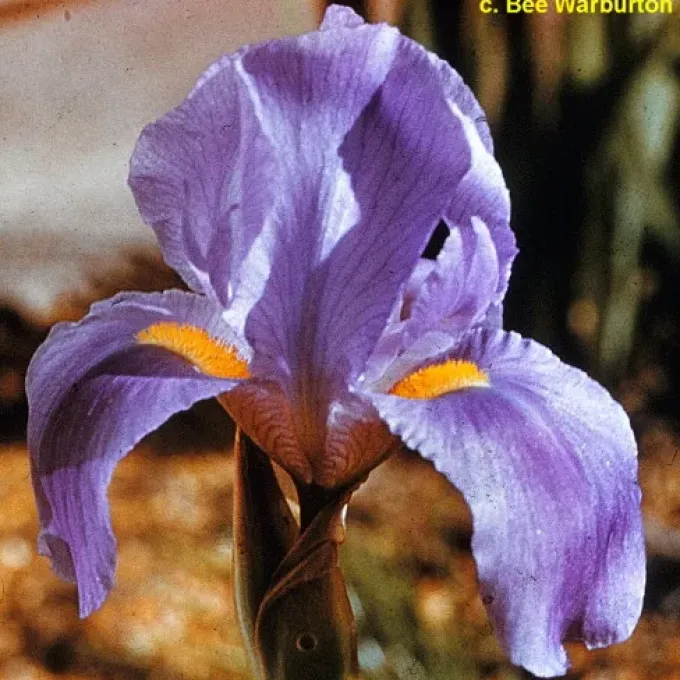
Hoogiana iris (Iris hoogiana) is a perennial flowering plant belonging to the Iridaceae family. Native to the mountainous regions of Central Asia, this species is prized for its elegant appearance and distinct, fragrant flowers that typically bloom in late spring.
The culture thrives in well-drained, sandy-loam soils with a neutral or slightly alkaline pH. Proper soil aeration is essential, as the rhizomes are prone to rot if kept in compacted or waterlogged ground for extended periods.
Sunlight exposure is a critical factor for successful growth; the plant requires a spot with full sun throughout the day. Sufficient solar heat is necessary for the ripening of the rhizomes, which prepares the plant for the dormancy period.
Climate preferences include dry, warm summers and cold, snowy winters. If the local climate is excessively rainy during the summer months, growers must provide additional drainage or shelter to prevent the plant from succumbing to moisture-related stress.
Agronomic management focuses on weed suppression and maintaining an appropriate moisture balance. Fertilization should be kept to a minimum, using low-nitrogen, balanced formulas to encourage healthy flowering rather than excessive foliage growth.
Main diseases and pests
The most significant threat to Iris hoogiana is rhizome rot, caused by fungal pathogens such as Erwinia. This condition is usually triggered by poor drainage, excessive humidity, or injury to the rhizome during cultivation work.
Pests including thrips and aphids are common concerns that can weaken the plant and serve as vectors for viral diseases. Additionally, larvae of the iris borer may damage the internal structure of the rhizome if left unmanaged.
Preventive care involves strict sanitation protocols, such as removing debris and dead foliage around the plants to reduce the risk of overwintering pathogens. Proper spacing ensures adequate air circulation, which helps keep the foliage dry.
Chemical control should be employed strategically. Fungicides are useful as a seed treatment or during the early growth stages, while specialized insecticides are applied only when pest populations exceed acceptable thresholds.
Regular inspection of the garden bed is essential for early detection. Any signs of wilting or discoloration in the leaves should be investigated immediately, and affected rhizomes should be excavated and discarded according to bio-security standards.