
Siberian iris
Iris sibirica L.
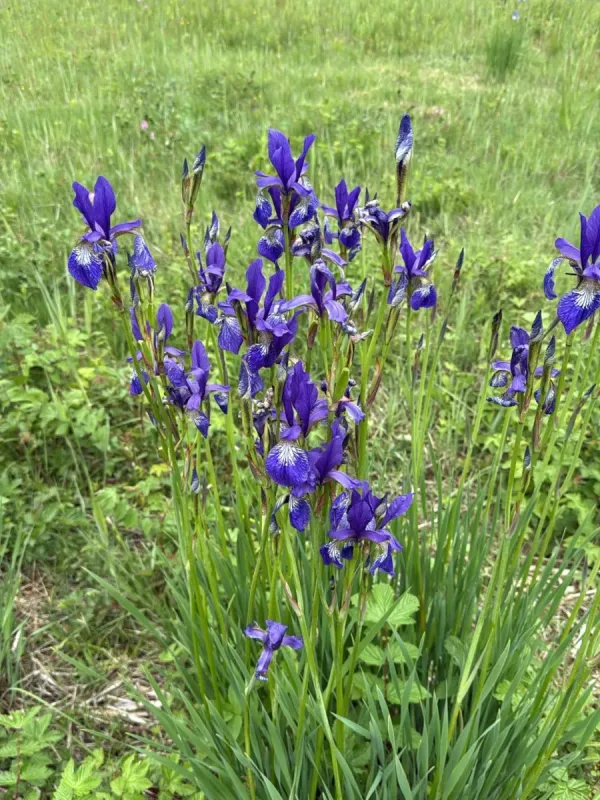
Description
Sowing dates
Sowing Siberian iris seeds is best done before winter, as they require mandatory stratification for successful germination in spring. In nursery conditions, sowing is carried out in prepared beds with a light substrate.
For spring sowing, seeds require prior cooling in a refrigerator for one to two months. The planting depth should not exceed 2 centimeters, which ensures optimal conditions for the development of the primary root system.
Propagation of this crop on an agricultural scale is more often carried out vegetatively by dividing the rhizome. The optimal time for this procedure is late August or early September, when the plant finishes its main vegetation cycle.
Division pieces must have a well-developed root system and 2-3 vegetative shoots. This approach allows for full flowering as early as the second year after planting, which is significantly more effective than seed propagation.
In commercial cultivation, planting density is calculated based on the intended purpose: for obtaining planting material or for landscaping areas that require rapid cluster growth.
Growing requirements
Siberian iris belongs to the Iridaceae family and is a typical moisture-loving perennial. Unlike bearded irises, it prefers moister soils, making it an ideal crop for sites with high groundwater levels.
The plant adapts well to acidic and slightly acidic soils, which significantly expands its cultivation range. Fertile loams rich in organic matter and mineral elements are considered optimal for this species.
For successful growth, the crop requires sufficient lighting, although it is quite capable of tolerating partial shade. Mulching the soil helps maintain the necessary moisture levels around the root system during hot summer periods.
Winter hardiness is one of the main botanical features of this species. The crop survives harsh winters without additional cover, maintaining the viability of rhizomes even in freezing soil.
Agricultural technology includes regular watering during dry periods, application of complete mineral fertilizers in spring and during the budding phase, and weeding to prevent competition from weeds.
Main diseases and pests
The main threat to Siberian iris is fungal diseases that develop when water stagnates in the root zone. The most common is heterosporiosis, which manifests as brown spots on the leaves of the plant.
Among pests, the iris fly poses the greatest danger, as its larvae damage the buds. Timely treatment with insecticides at the beginning of the flower stalk growth is the primary preventive measure against this problem.
Bacteriosis or soft rot of the rhizomes is also possible, especially in heavy, poorly aerated soils. Affected areas require immediate removal and soil disinfection to prevent the spread of the infection.
Aphids and thrips can infest the plant's leaves, sucking sap and reducing the plant's decorative value. Systemic preparations are used to combat them, which are effective even under adverse weather conditions.
Prevention of all mentioned threats involves following proper agricultural techniques, regular inspections of the plantings, and ensuring good air circulation between the bushes to prevent excessive humidity.