
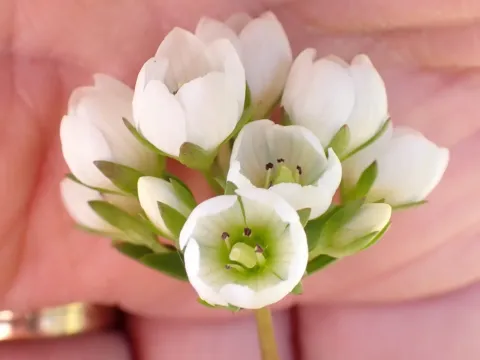
Gentianella
Gentianella
Gentianella seeds require a period of stratification to break dormancy. For best results, sow seeds in late autumn or early winter in containers placed outdoors, allowing them to experience natural cold cycles.
What the section contains
 Austrian gentianella
Gentianella austriaca
Austrian gentianella
Gentianella austriaca
 Autumn gentian
Gentianella amarella
Autumn gentian
Gentianella amarella
 Bulgarian gentianella
Gentianella bulgarica
Bulgarian gentianella
Gentianella bulgarica
 Chiltern gentian
Gentianella germanica
Chiltern gentian
Gentianella germanica
 Dune gentian
Gentianella uliginosa
Dune gentian
Gentianella uliginosa
 Engadine gentianella
Gentianella engadinensis
Engadine gentianella
Gentianella engadinensis
 Field gentian
Gentianella campestris
Field gentian
Gentianella campestris
 Fringed gentian
Gentianella ciliata
Fringed gentian
Gentianella ciliata
 Gentianella anisodonta
Gentianella anisodonta
Gentianella anisodonta
 Gentianella columnae
Gentianella columnae
Gentianella columnae
 Gentianella crassicaulis
Gentianella crassicaulis
Gentianella crassicaulis
 Gentianella crispata
Gentianella crispata
Gentianella crispata
 Gentianella nana
Gentianella nana
Gentianella nana
 Gentianella ramosa
Gentianella ramosa
Gentianella ramosa
 Golden gentianella
Gentianella aurea
Hairy gentianella
Gentianella pilosa
Golden gentianella
Gentianella aurea
Hairy gentianella
Gentianella pilosa
 Insubrian gentianella
Gentianella insubrica
Insubrian gentianella
Gentianella insubrica
 Rough gentianella
Gentianella aspera
Rough gentianella
Gentianella aspera
 Slender gentian
Gentianella tenella
Slender gentian
Gentianella tenella
 Stiff gentian
Gentianella quinquefolia
Stiff gentian
Gentianella quinquefolia
 Yellowish gentianella
Gentianella lutescens
Yellowish gentianella
Gentianella lutescens
Gentianella
When sowing, do not bury the seeds deeply as they are tiny and require light to germinate. Press them gently into a well-draining, gritty seed-starting medium and maintain consistent but moderate moisture levels.
Seedlings develop slowly and should be kept in a cool, bright location. Avoid direct scorching sun during the initial growth phase, as young plants are prone to dehydration if the substrate dries out completely.
Pricking out the seedlings requires extreme care due to their delicate root systems. It is recommended to transplant them into individual small pots as soon as they are large enough to handle, minimizing disturbance.
When moving to their final location, select a spot that mimics their native alpine environment. Gentianella plants perform best when grouped, which helps maintain a microclimate conducive to their success.
Gentianella is a genus belonging to the Gentianaceae family. These plants are often confused with the related Gentiana genus, but they differ primarily in their lifecycle, being typically annuals or biennials rather than long-lived perennials.
The plants thrive in open, sunny positions with excellent airflow. They are highly sensitive to heat and humidity, which makes them perfectly suited for alpine gardens, rockeries, or cooler climatic zones with fresh mountain air.
Soil requirements are strict: the medium must be highly porous and well-draining. A mix of loamy soil, sand, and fine grit is ideal to prevent the accumulation of moisture around the neck of the plant.
Watering should be done with caution. While these plants prefer moist roots, they cannot tolerate waterlogging, which inevitably leads to root rot. Irrigation should focus on the soil surface, keeping foliage as dry as possible.
Gentianella plants prefer neutral to slightly alkaline soil conditions. Adding limestone chippings to the planting site is a standard practice to improve both soil structure and mineral content, benefiting the plant's overall development.
Fungal diseases are the primary threat, often exacerbated by stagnant air or excess moisture. Symptoms include browning of the leaves and sudden wilting of the stems, especially during damp, overcast weather conditions.
Slugs and snails are the most notorious pests for Gentianella. These mollusks can consume entire young plants in a single night, necessitating the use of traps or protective barriers around the planting area.
Aphids can occasionally colonize the flower buds, causing malformations. If infestation occurs, gentle washing with mild soapy water is usually sufficient to control the population without harming the sensitive plant tissues.
Root rot is often a symptom of poor soil management rather than a primary attack. Once the roots are compromised, recovery is unlikely, emphasizing the importance of preventative drainage measures at the time of planting.
To keep the plants healthy, avoid mulching with materials that retain water close to the crown. Keeping the root collar dry and exposed to air is the best strategy for preventing crown rot in this delicate genus.