
Golden gentianella
Gentianella aurea
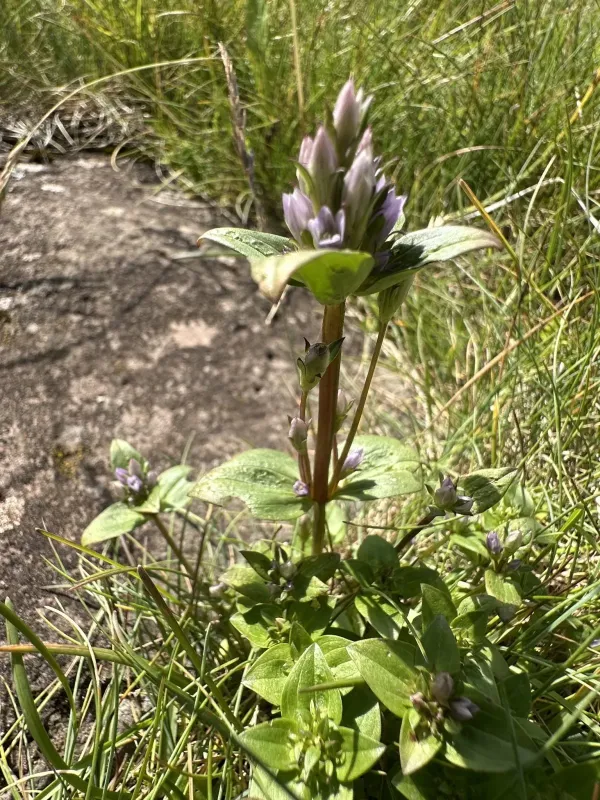
Description
Sowing dates
Golden gentianella is an annual or biennial plant that requires specific seed handling due to its dormancy. In agricultural practice, seeds must undergo cold stratification to simulate winter conditions and ensure a high germination rate during the spring season.
Sowing in open ground is best performed in late autumn, allowing the seeds to experience natural seasonal cooling. For indoor cultivation, seed trays should be placed in a controlled cold environment for several weeks before being moved to a warmer germination site.
Seeds are extremely small and should be sown on the surface of the soil. They are photoblastic, meaning they require direct light to trigger germination; therefore, they should never be covered with a thick layer of growing medium, just a light dusting of sand or vermiculite.
Maintaining constant moisture is crucial during the germination phase. Using a fine mist spray helps keep the soil surface damp without washing away the small seeds or causing soil compaction that could hinder the emergence of the seedlings.
Once seedlings reach a stage where they develop their first true leaves, they can be carefully transplanted. It is essential to handle them with extreme care to protect the delicate root system from physical stress, which can lead to delayed growth or plant mortality.
Growing requirements
Belonging to the Gentianaceae family, the golden gentianella thrives in conditions similar to subarctic and alpine meadows. The ideal environment consists of well-drained, porous soils that provide excellent aeration to the root system at all times.
Light requirements are paramount, as this plant is strictly heliophilous. It requires full exposure to sunlight for the majority of the day to produce its characteristic floral displays and maintain healthy stem strength throughout its vegetative cycle.
Temperature management should focus on keeping the environment cool. The plant performs optimally in temperatures ranging from 12°C to 20°C. Prolonged exposure to intense heat can induce stress and significantly reduce the plant's metabolic activity.
Regarding soil fertility, the plant is adapted to nutrient-poor substrates. Over-fertilization, especially with high-nitrogen synthetic fertilizers, is detrimental. It is advised to use minimal, slow-release organic amendments if soil health is insufficient.
Water quality and irrigation frequency must be carefully balanced. While the plant requires regular moisture to maintain its turgor, water stagnation is the most common cause of failure in its cultivation, leading to rapid development of pathogens.
Main diseases and pests
Root rot is the primary threat to golden gentianella, typically triggered by soil saturation and poor drainage. Once established in the root zone, the infection spreads quickly, leading to yellowing of leaves and eventual plant collapse.
Gastropods, such as slugs and snails, are major pests that target young foliage and stems. They are particularly active during damp weather, and protective measures like physical barriers are often necessary to preserve the plant stand in the early development phase.
Fungal infections, such as powdery mildew or leaf spot, can develop in conditions with poor air circulation. Proper spacing of the plants is essential to promote natural airflow, which significantly reduces the risk of fungal outbreaks in dense plantings.
Aphids can occasionally colonize the plant during the flowering stage. If pest populations exceed economic thresholds, soft soaps or biological control agents are recommended, as harsh chemicals can scorch the sensitive floral structures.
Good agricultural practices, such as consistent monitoring and the immediate removal of symptomatic plant material, are the best defense against pests and diseases. Keeping the surrounding area free of excessive weeds also helps in maintaining the plant's health.