
Insubrian gentianella
Gentianella insubrica
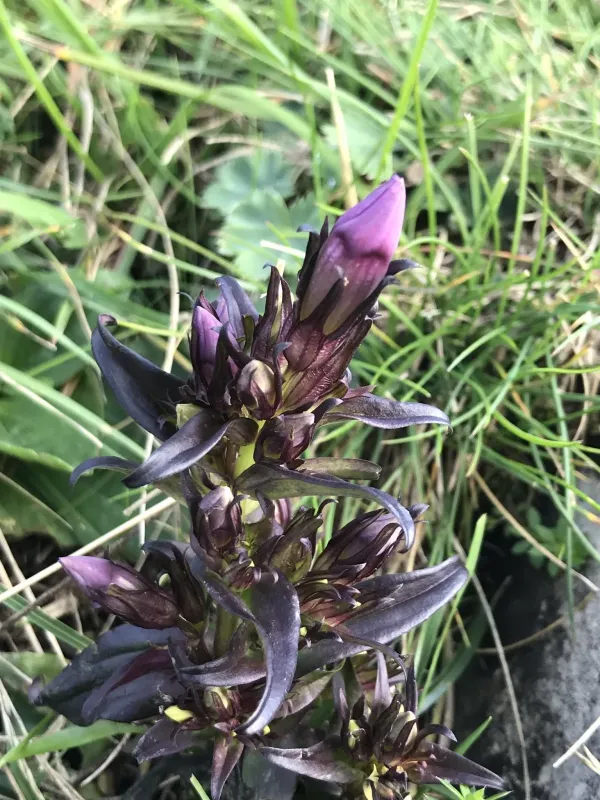
Description
Growing requirements
Insubrian gentianella (Gentianella insubrica) is a herbaceous plant belonging to the Gentianaceae family. It is a rare species native to the Alpine regions, typically found in high-altitude environments characterized by limestone bedrock.
This crop requires specific environmental conditions to thrive, including well-drained, porous soils that prevent root rot. It is highly sensitive to soil compaction and prefers sites with excellent air circulation.
Climate requirements for this plant focus on high light intensity and cool temperatures. It is well-adapted to short growing seasons but struggles when exposed to prolonged heat waves or humid lowland conditions.
Botanically, it forms a small basal rosette of leaves with slender flowering stems. The lifecycle is adapted to survive cold winters, while the flowering stage requires moderate warmth and consistent sunlight.
Economically, the plant is primarily valued in botanical collections and niche horticultural sectors. Due to its status as a specialized alpine species, its large-scale agricultural use remains limited.
Main diseases and pests
Fungal pathogens represent the most significant threat to this species, particularly those causing crown and root rot in waterlogged soils. Maintaining proper soil moisture levels is critical for plant health.
Aphids and other sap-sucking insects are common pests that can compromise the vitality of the plant by draining resources from the stems and buds. Early detection and manual removal are often preferred over chemical intervention.
Weed competition is a major factor in the loss of plant populations in cultivated areas. Being a slow-growing alpine plant, it cannot compete with aggressive weeds for nutrients and space.
Environmental stress, particularly fluctuating temperature extremes, can weaken the plant's immune system, making it more susceptible to opportunistic infections from soil-borne pathogens.
Effective management includes regular monitoring of soil structure and the implementation of light, organic-based fertilization programs to ensure the plant maintains its natural growth rhythm.