
Yellowish gentianella
Gentianella lutescens
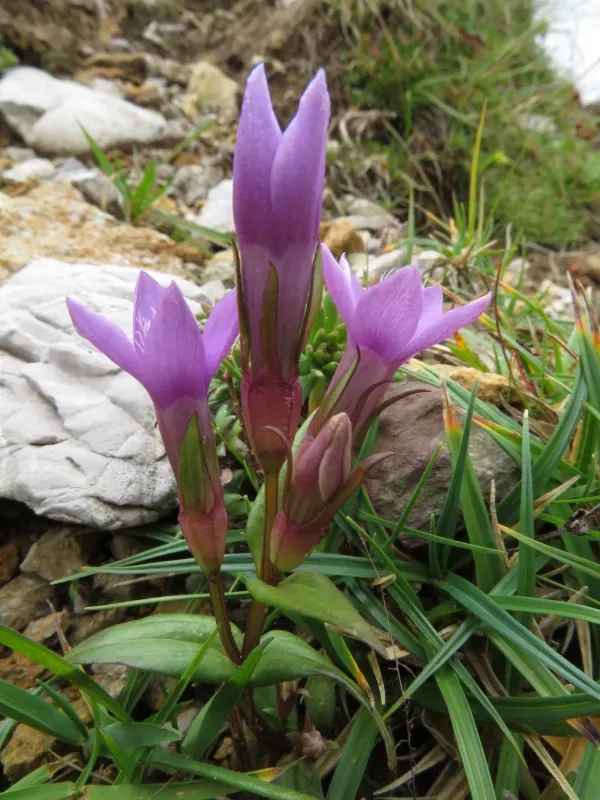
Description
Sowing dates
Yellowish gentianella (Gentianella lutescens) is a member of the Gentianaceae family. Sowing is typically performed in late autumn to ensure seeds undergo natural stratification, which is essential for uniform germination.
Due to the small size of the seeds, they should be surface-sown onto a well-prepared, fine-textured seedbed. Pressing them lightly into the soil helps ensure good moisture contact without burying them.
Mixing seeds with fine sand is a standard agronomic practice to facilitate even distribution across the field, preventing overcrowding and ensuring optimal growth for each individual plant.
During the first year, the plant primarily develops a basal rosette. It is crucial to maintain weed-free conditions during this period as the plant is sensitive to competition from faster-growing species.
If spring sowing is necessary, artificial stratification in a cold environment for at least six weeks is required to break seed dormancy and encourage successful germination.
Growing requirements
The crop thrives in well-drained, calcareous soils with a neutral to slightly alkaline pH. Proper aeration of the root zone is vital to prevent fungal issues related to soil saturation.
Sunlight is a key factor; full exposure to the sun promotes high concentrations of active metabolites. Shading must be avoided as it leads to weak stems and diminished medicinal quality.
Temperature management should mimic alpine or sub-alpine environments. The plant is hardy but requires a consistent cooling period to induce flowering in its second year.
Moisture control is paramount. While the plant requires regular irrigation, excessive water retention in the soil can quickly lead to root rot, which is a major failure point in commercial cultivation.
Soil fertilization should be approached with caution; avoid excessive nitrogen, which promotes lush foliage at the expense of the desired secondary compounds found in this species.
Yield
Yield efficiency for Gentianella lutescens depends on plant density and the timing of the harvest. Consistent monitoring of the growth stages is necessary to achieve high-quality yields.
The estimated dry biomass yield generally ranges from 0.8 to 1.2 tons per hectare under ideal growing conditions. The medicinal value is determined by the presence of specific bitter compounds.
Soil amendments rich in calcium and magnesium are recommended to support the physiological processes involved in synthesizing active substances, thus improving the overall market value of the crop.
Regular field inspections allow for the early detection of physiological stress, enabling timely intervention before yield losses occur during the vegetative or flowering cycles.
Post-harvest processing is as important as the cultivation itself. Quick drying in temperature-controlled environments is essential to stabilize the bioactive compounds in the plant material.
Main diseases and pests
Fungal diseases, including powdery mildew and various leaf spots, are the primary biological threats. Improving air circulation within the field significantly reduces the risk of these pathogens.
Slugs and snails pose a serious threat to juvenile plants, capable of destroying entire crops in days. Physical barriers or integrated pest management strategies are advised for control.
Aphid infestations can occur during the flowering stage, potentially weakening the plant and lowering the quality of the harvested flowers and stems.
Root rot, driven by stagnant water or pathogens, is a significant threat that often results in plant loss. Strict adherence to irrigation schedules is the best preventive measure.
Proper weed management is essential. The plant is inherently slow-growing and lacks the vigor to compete with invasive weeds, making chemical or mechanical weed control necessary.
Harvesting
The harvest should take place during the peak of flowering, as this is when the concentration of the plant's active components is at its maximum for medicinal use.
Manual harvesting is often preferred to ensure high quality. Stems should be cut at a height of approximately 5-7 cm from the ground to prevent damage to the plant's base.
Immediately after cutting, the biomass must be moved to a shaded, well-ventilated area to prevent degradation caused by heat and excessive UV exposure during the drying phase.
The material should be dried until it reaches a stable moisture content where the stems snap cleanly. Proper drying ensures the longevity of the active ingredients and prevents microbial growth.
Storage must be in a cool, dry, and dark environment, using materials that allow the product to breathe while protecting it from contaminants and atmospheric humidity.