
Gasterhaworthia
x Gasterhaworthia Guillaumin
Description
Growing requirements
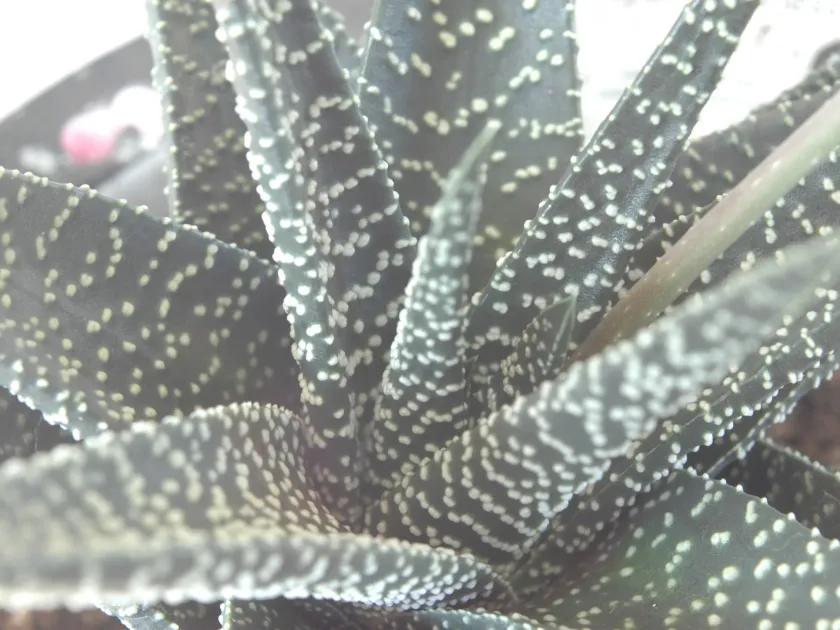
Gasterhaworthia (x Gasterhaworthia) is an intergeneric hybrid resulting from cross-breeding plants of the Gasteria and Haworthia genera. It belongs to the Asphodelaceae family and is valued primarily by collectors and enthusiasts for its unique rosette architecture and low-maintenance nature in indoor settings.
The native distribution of its parent species is restricted to South Africa, where they thrive in arid and rocky environments. Because of this heritage, the culture requires specific conditions that mimic its natural habitat, emphasizing the need for well-draining soil and distinct periods of rest.
Cultivation requirements include bright, indirect light to ensure optimal leaf development and color intensity. Direct sunlight, especially during peak summer hours, should be avoided as it can cause significant foliar damage and yellowing of the succulent tissue.
A specialized succulent soil mix is essential for this plant, prioritizing porosity and drainage. A mixture containing coarse sand, pumice, and a small amount of peat or loam ensures that the root system remains aerated and protected from the dangers of stagnant water.
Watering practices must be strictly controlled, following a cycle of deep hydration followed by complete desiccation of the potting medium. During the winter dormancy period, watering should be drastically reduced to ensure the plant remains in a healthy, inactive state, preventing etiolation.
Main diseases and pests
The most significant threat to Gasterhaworthia is root rot, which typically stems from overwatering or inadequate soil aeration. When roots remain wet for extended periods, they become prone to fungal infections that spread rapidly, often leading to total loss of the rosette.
Mealybugs are the most common pests associated with this culture. These insects thrive in the tight spaces between leaf axils, where they feed on plant fluids. Early detection via physical inspection of the leaf base is critical to preventing large-scale infestations.
Spider mites can also cause distress to the plant, particularly in environments with very low humidity levels. These pests cause visible yellowing or scarring on the leaf surface, which reduces the ornamental value and overall vigor of the hybrid.
Disease management involves maintaining high standards of hygiene, such as using sanitized tools for pruning and pots with sufficient drainage holes. Good air circulation around the plants significantly reduces the incidence of fungal spores and prevents damp-related issues.
Regular monitoring of plant health allows for timely intervention using appropriate horticultural oils or systemic insecticides if necessary. Maintaining consistent, stable conditions is the best strategy to keep the plant resilient against common agricultural pests and diseases.