
Rough gentianella
Gentianella aspera
Description
Growing requirements
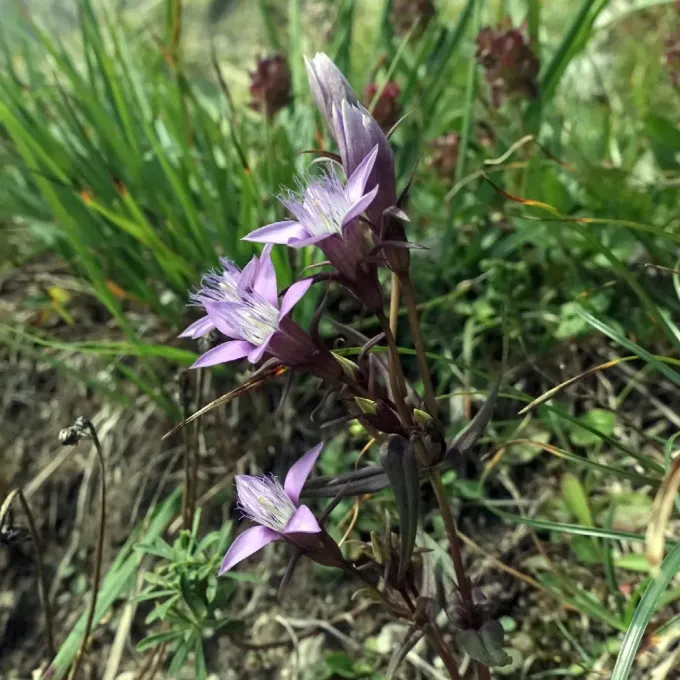
Rough gentianella (Gentianella aspera) is a member of the Gentianaceae family. This species is native to alpine environments, typically inhabiting rocky slopes and high-altitude meadows where the climate is characterized by significant diurnal temperature fluctuations.
The crop requires soil with excellent drainage. It is highly intolerant of waterlogging, which necessitates the use of a sandy or stony substrate in agricultural settings to mimic its natural, fast-draining habitat.
Growth is optimal in cool to moderate temperatures. While it thrives in bright light, it requires protection from excessive heat, as high temperatures can stall its development and affect its overall viability.
Soil chemistry should ideally be neutral or slightly acidic. The plant does not require high levels of nutrients; in fact, overly rich soil can lead to weak growth and increased susceptibility to physiological disorders.
Cultivation is primarily achieved through seeds, which often require a period of stratification to break dormancy. Given the plant's delicate root system, disturbance should be avoided, and direct sowing is considered the most reliable method.
Main diseases and pests
Fungal pathogens are the primary concern for this crop, particularly root rot caused by stagnant moisture. Improving soil aeration is the most effective cultural control method to prevent these infections.
Slugs and snails are common pests that feed on the foliage and budding parts of the plant. Integrated pest management strategies, including the use of barriers and baits, are recommended to protect the crop.
Aphids may cause damage by feeding on nutrient-rich plant sap. If infestations occur, targeted insecticidal treatments are necessary, though caution must be exercised to avoid damaging the sensitive foliage.
Leaf spots caused by environmental stress or fungal growth should be managed by removing infected materials. Maintaining proper plant spacing is essential to ensure good airflow and prevent disease spread.
Crop monitoring is vital throughout the growing season. Early detection of leaf yellowing or stunted growth allows for prompt intervention before an entire bed of plants is compromised by pathogens or pests.