
Fritillaria orientalis
Fritillaria orientalis
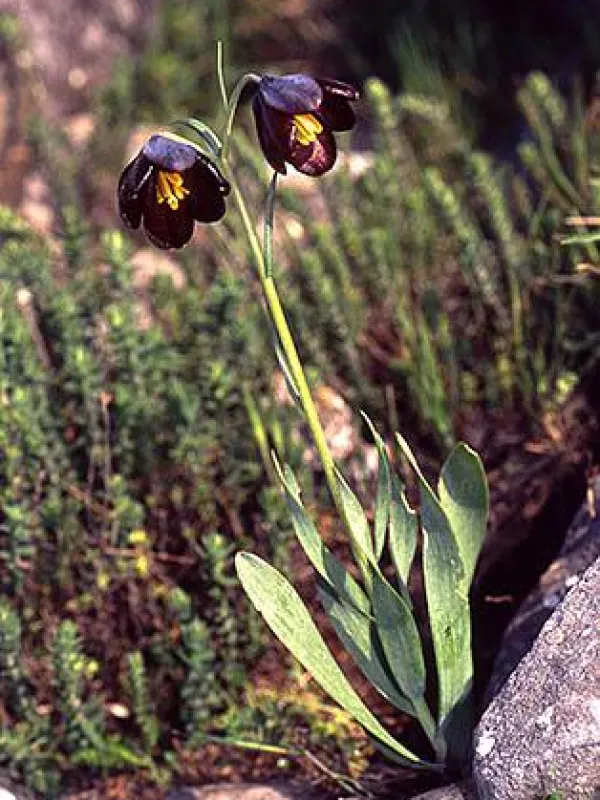
Description
Sowing dates
Fritillaria orientalis is a perennial bulbous plant belonging to the Liliaceae family. The planting process is carried out in early autumn, ensuring the bulbs settle into the ground before the onset of winter frost, which allows for stable root system development before the spring growing season.
Selecting an appropriate site is vital; the soil must be well-drained and friable to prevent water stagnation, which is the primary cause of bulb rot. The optimal planting depth is approximately three times the diameter of the bulb, providing sufficient protection against environmental fluctuations.
Before planting, the soil should be amended with organic compost to improve structure and nutrient availability. A neutral to slightly alkaline soil pH is preferred, as extreme acidity can adversely affect the plant's health and the rate of vegetative multiplication.
Planting spacing is crucial for maintaining plant vigor and airflow. Adequate space between bulbs prevents the rapid spread of soil-borne pathogens and allows each plant to access sufficient sunlight and soil nutrients during the peak growing months of early spring.
After the planting process, applying a layer of mulch helps regulate soil temperature and moisture levels. This natural insulation is particularly beneficial in regions with variable winter conditions, protecting the dormant bulbs from drastic temperature shifts.
Growing requirements
This species requires a temperate climate with a clear distinction between growing seasons and a dry summer dormancy phase. Success in cultivation depends on mimicking these natural conditions by providing adequate moisture during spring and ensuring dryness during the summer months.
The crop thrives in sunny to partially shaded environments. While the bulbs require sun to prepare for the next flowering cycle, excessive exposure to direct heat during the dormant summer period can be harmful, making light shade beneficial for maintaining soil moisture stability.
Nutrient requirements are met through the application of balanced fertilizers during the early growth phase. High phosphorus and potassium formulations are recommended to support root strength and the development of the reproductive organs for the following season.
Good soil aeration is a non-negotiable requirement for the health of Fritillaria orientalis. Regular light cultivation of the topsoil around the plants encourages air exchange, which helps keep the soil environment conducive to healthy bulb development and prevents anaerobic conditions.
Weed management is essential to reduce competition for resources. Since the plant is an ephemeral, it quickly emerges in the spring; therefore, managing invasive weeds before the growing season starts gives the crop a competitive advantage and reduces the stress on the bulbs.
Main diseases and pests
The primary threats to Fritillaria orientalis include various fungal diseases that thrive in moist, cool conditions. Gray mold (Botrytis) and root rot are particularly prevalent if the soil drainage is inadequate or if the planting site remains waterlogged for extended periods.
Insect pests, most notably the lily beetle, pose a severe risk to the foliage. These beetles can defoliate plants rapidly, significantly reducing the energy reserves that the bulb relies on for the next season's growth, leading to eventual decline if left unchecked.
Systemic fungicides are effective for managing fungal outbreaks when applied at the first sign of infection. It is crucial to monitor the planting site frequently, especially during wet springs when the conditions are most favorable for pathogen multiplication.
Proactive management includes the removal and destruction of infected plant material to prevent the spread of spores. Keeping the garden area clean and avoiding the accumulation of decaying plant debris is a standard practice to mitigate the risk of future disease cycles.
Biological and chemical controls for soil-dwelling pests are recommended if infestation symptoms appear. Ensuring the overall vigor of the plant through proper irrigation and fertilization remains the most effective long-term strategy for building resistance against common horticultural pests.