
Gentianella anisodonta
Gentianella anisodonta
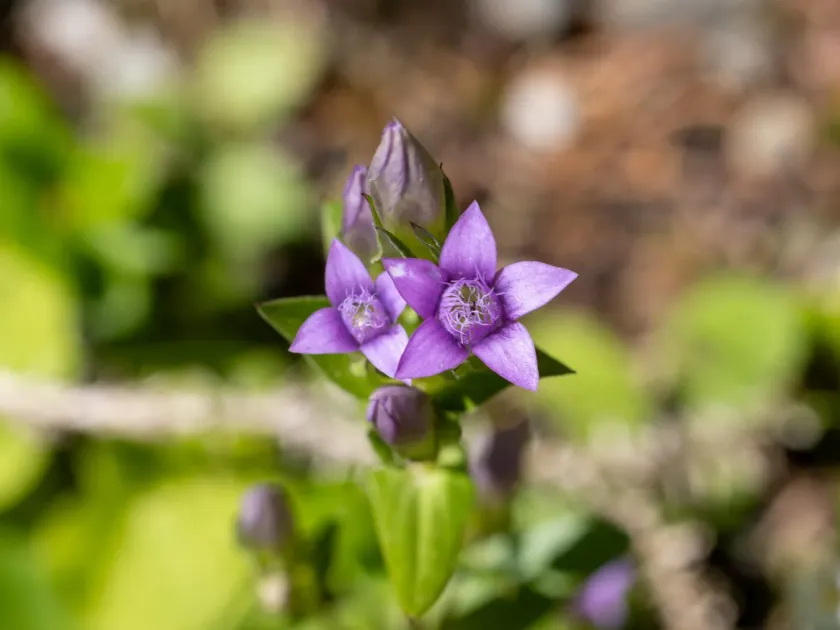
Description
Growing requirements
Gentianella anisodonta is a specialized herbaceous plant belonging to the Gentianaceae family. It is typically found in high-altitude environments, functioning as an annual or biennial species within mountain ecosystems.
The plant originates from the mountainous regions of Europe. Its natural habitat includes rocky slopes, alpine meadows, and calcareous grasslands, where it relies on specific ecological niches to complete its life cycle.
Cultivation requires well-drained, porous soil that mimics the mineral-rich and rocky composition of alpine slopes. It does not tolerate waterlogged conditions, as the root system is highly susceptible to rot when aeration is restricted.
Regarding climate, the plant thrives in cool temperatures and requires high intensity of natural light. It is adapted to the extreme temperature fluctuations typical of high elevations, though it remains sensitive to prolonged drought during the summer months.
The economic and academic utility of Gentianella anisodonta is linked to its secondary metabolites. It is studied for its unique botanical profile and has potential applications in specialized pharmacological research and alpine garden restoration projects.
Main diseases and pests
The primary threats to Gentianella anisodonta involve fungal pathogens favored by humid conditions. Root rot and damping-off disease are common issues if the soil drainage is insufficient or if humidity remains high for an extended period.
Insect pests such as aphids can cause significant damage by feeding on the sap of the stems and reproductive organs. Additionally, gastropods, including slugs, are known to consume the tender leaves of the young plants in cool, wet seasons.
Management of these threats relies on rigorous cultural practices. Proper spacing between individual plants is vital to ensure adequate air circulation and to prevent the build-up of excess moisture within the plant canopy.
Preventive measures include the careful selection of planting sites with optimal sun exposure. By avoiding sites with poor drainage, cultivators can significantly reduce the pressure from common soil-borne pathogens and fungal infections.
Integrated pest management should prioritize physical removal and environmental control over the use of chemical pesticides. Due to the plant's delicate nature, chemical treatments should be applied with extreme caution to avoid tissue damage.